
Every baker needs a reliable, foolproof vanilla cake recipe up their sleeve - and this French Vanilla Cake is about to become your new favorite!
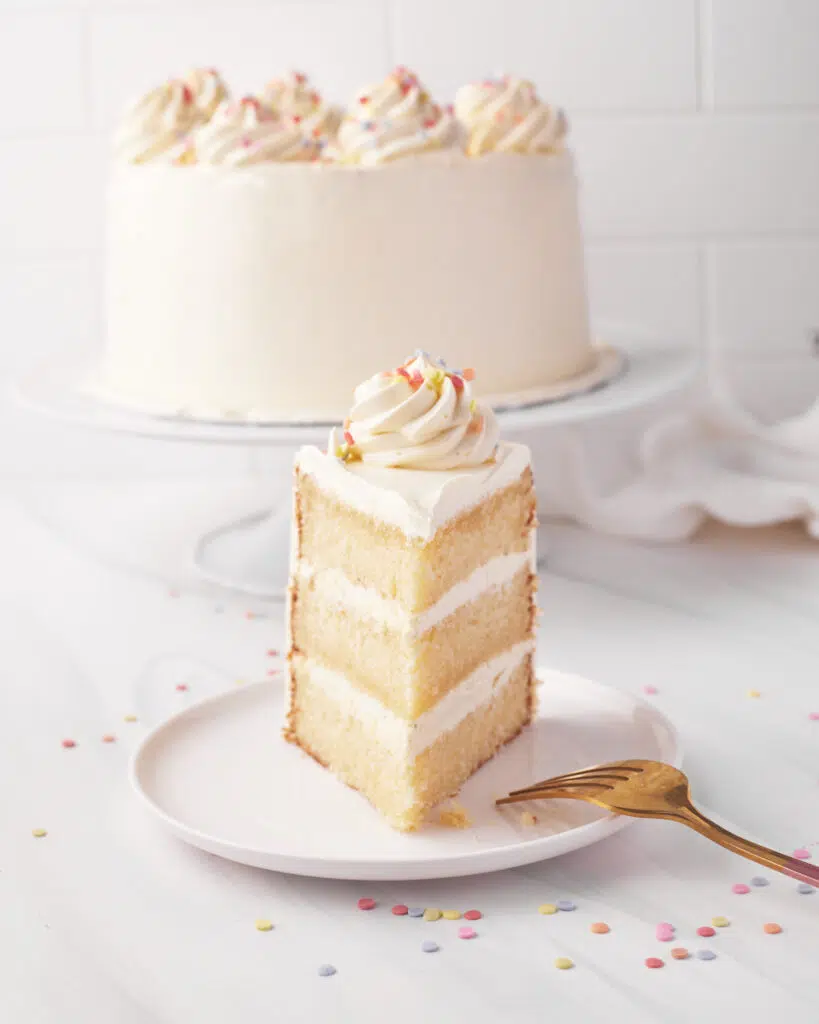
Vanilla Cake Recipe Snapshot
What it is: A fluffy vanilla cake with a super soft crumb and rich, buttery flavor.
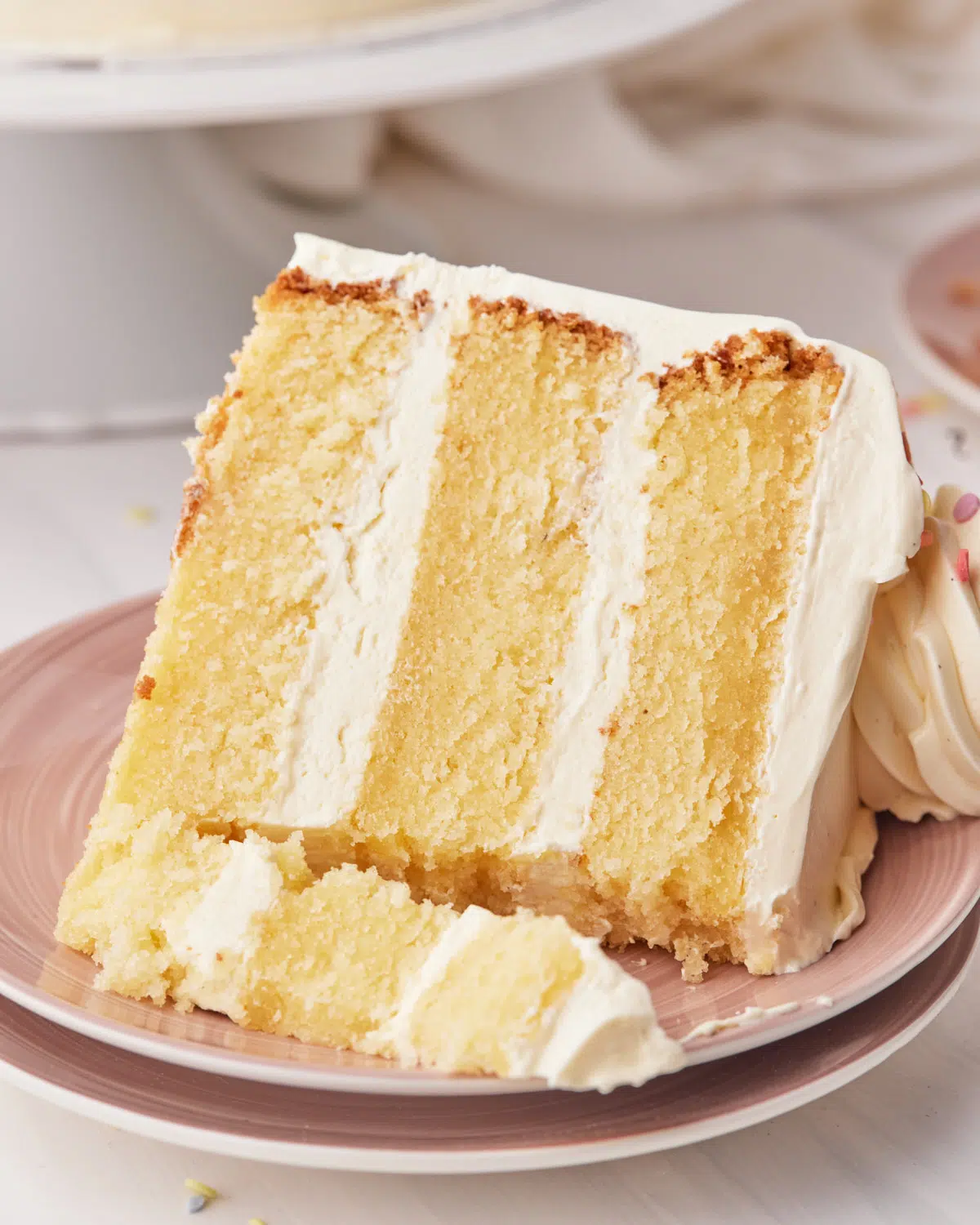
Why you'll love it: It has the perfect balance of texture and flavor, and makes a fantastic base for other flavours and desserts.
How to make it: The reverse creaming method - gradually mix the butter into the dry ingredients, then beat in the oil, followed by the milk and eggs.
For years, I made hundreds of thousands of cakes and cupcakes in my bakery using the regular creaming method. And then I discovered the reverse creaming method…and honestly? I'm still a little mad my old customers never got THIS version of my cakes!
This French vanilla cake is my absolute go-to now. It's soft, rich, and cuts on your fork like butter. Vanilla gets called "basic" all the time, but let me tell you - when it's done right, it's anything but. Once you try this recipe, you'll wonder how you ever settled for anything else.
Reader Review:
Made this for my daughter's birthday cake…Everyone at the party was raving about how delicious the cake was. Super fluffy and moist, but still sturdy. The reverse creaming method was explained really well and I think it made a difference! I'll be using this recipe exclusively for all my vanilla cakes now.
⭐⭐⭐⭐⭐ - Emily
Jump to:
What is French Vanilla Cake?
Many people think "French" vanilla refers to the origin of the vanilla, like Tahitian or Madagascan - but it doesn't. The term actually comes from French-style ice cream, which uses a custard base of egg yolks and milk or cream. For cake, it means a recipe that uses whole eggs, creating that rich, custardy flavor, unlike a typical white cake that uses only egg whites.
When most people think of French vanilla cake today, they picture box mixes - but you know we don't do those around here! This homemade recipe uses simple ingredients and easy steps to make the best French vanilla cake you'll ever have.
Ingredients
This vanilla cake recipe uses pretty basic ingredients, but the magic is all in the technique of how they are combined.
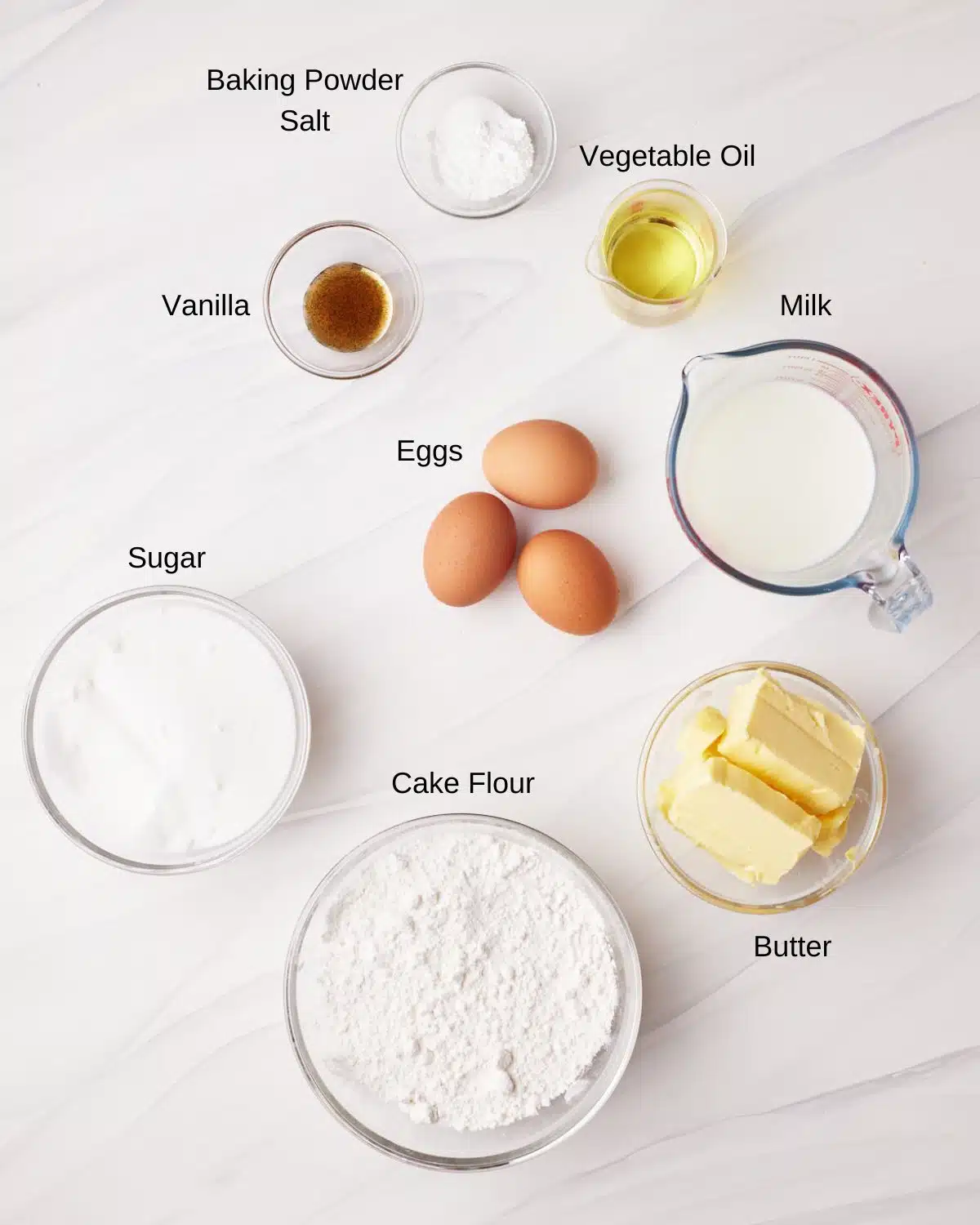
- Milk - Whole milk makes this vanilla cake soft and velvety - when you put your fork through it, it cuts like butter!
- Oil - Using oil makes a very moist cake. I use vegetable oil, but any neutral oil will do - e.g., canola oil or sunflower oil.
- Flour - I find the best results for this cake come from using cake flour, which makes a super tender crumb. But if you can't get ahold of cake flour, then all-purpose flour (plain flour) will still be great.
- Sugar - Use white granulated sugar (caster sugar in the UK).
- Eggs - We'll be using whole eggs in this cake recipe. Use large US eggs or medium UK eggs.
- Butter - Use unsalted butter and make sure it is at room temperature before beginning.
- Vanilla - Use a high-quality vanilla extract or vanilla bean paste.
I highly recommend weighing your ingredients with a kitchen scale, as it gives much more accurate results.
See the recipe card for quantities.
Equipment
- Stand mixer with the paddle attachment or an electric mixer.
- 2 x 8-inch cake pans
How to Make Vanilla Cake
This French vanilla cake recipe uses the reverse creaming method, which means combining all the dry ingredients with the butter first, rather than creaming the butter with the sugar. It sounds crazy at first, but they are super simple steps that will give you a perfect, decadent French vanilla cake.
Heat oven to 335°F / 170°C (150°C fan-assisted) and grease two 8-inch round pans. I also like to put some parchment paper cake circles in the bottom of the pans to ensure they do not stick at all.
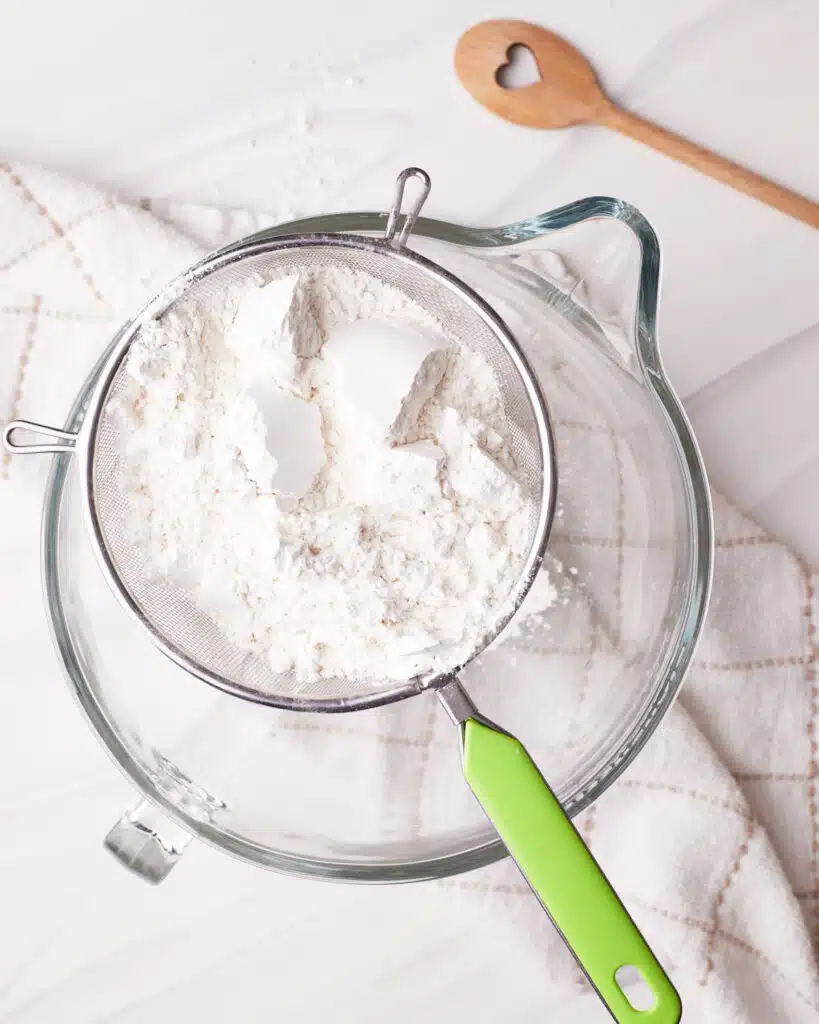
Dry Ingredients
Place the flour, sugar, baking powder, and salt into the bowl of your stand mixer and turn it on low speed with your paddle attachment.
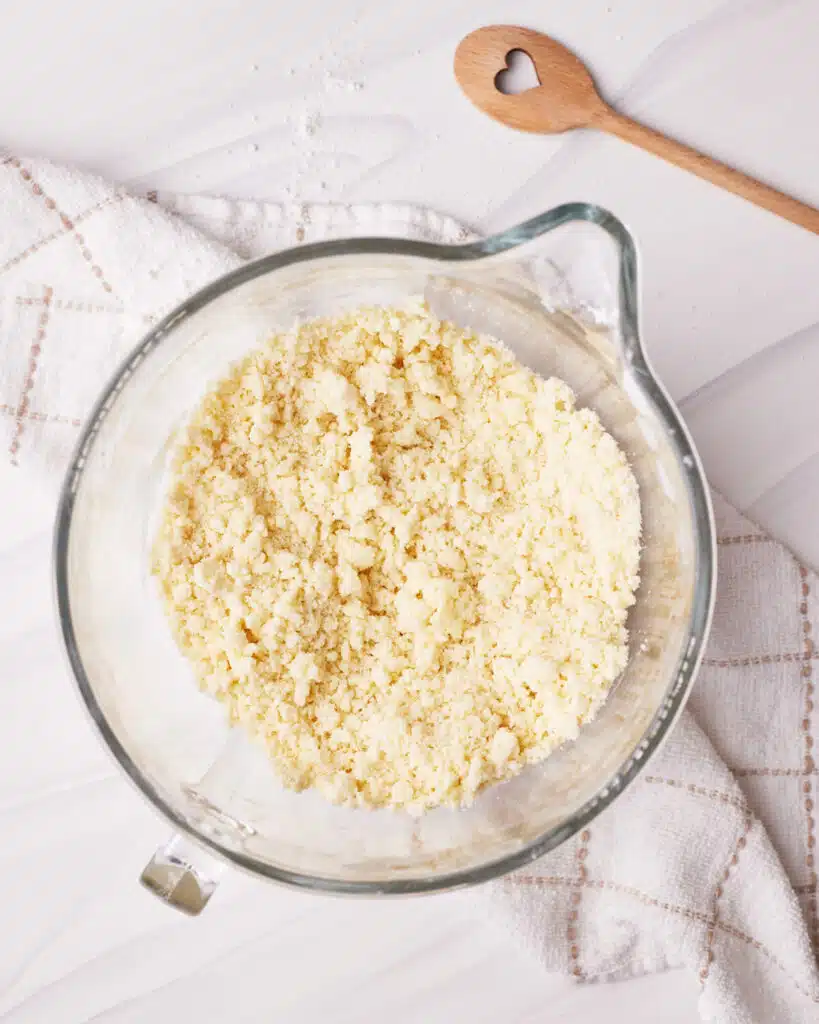
Add Butter
Slowly add the butter, one small chunk at a time, letting it mix into the flour mixture for a few seconds in between additions.
Once it's all in it should look like chunky breadcrumbs
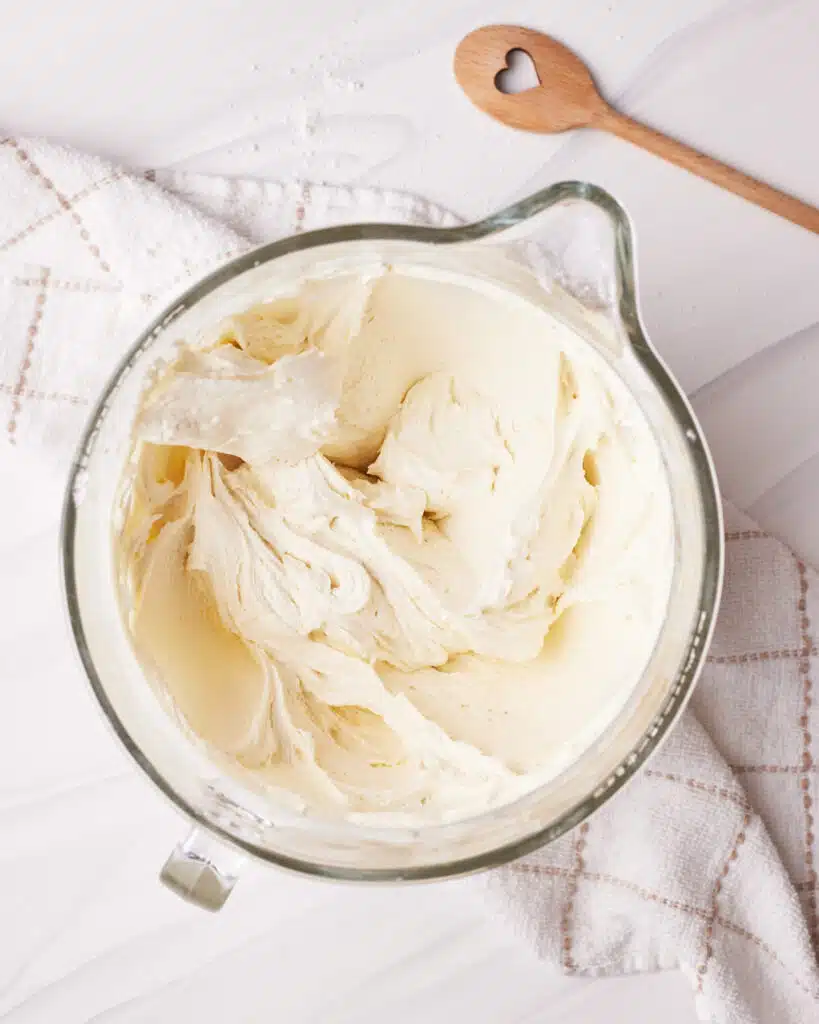
Add Oil + Milk
Stir the oil together with roughly half of the milk, then add it to the flour/butter mixture turn your mixer up to medium speed.
Beat for exactly two minutes.
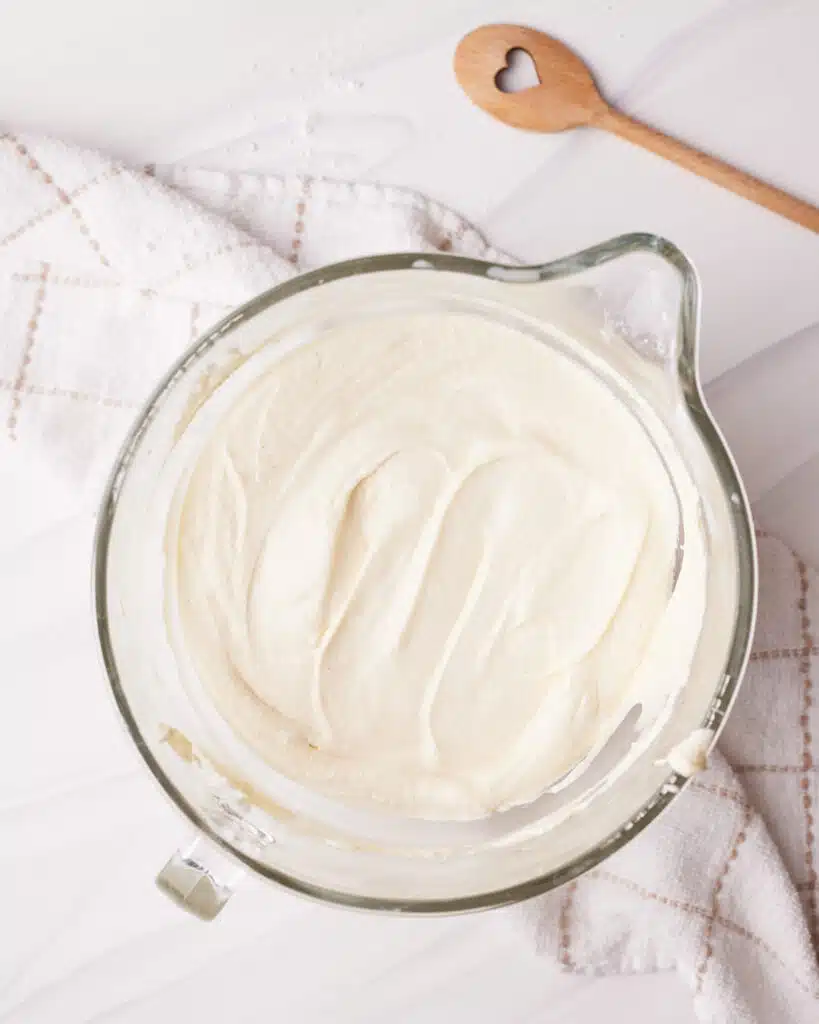
Eggs + Milk
Crack the eggs into a separate bowl and beat them lightly with the remaining milk.
With the mixer on low speed, gradually drizzle the milk/egg mixture in until it is all combined - be very careful not to overmix.
Bake
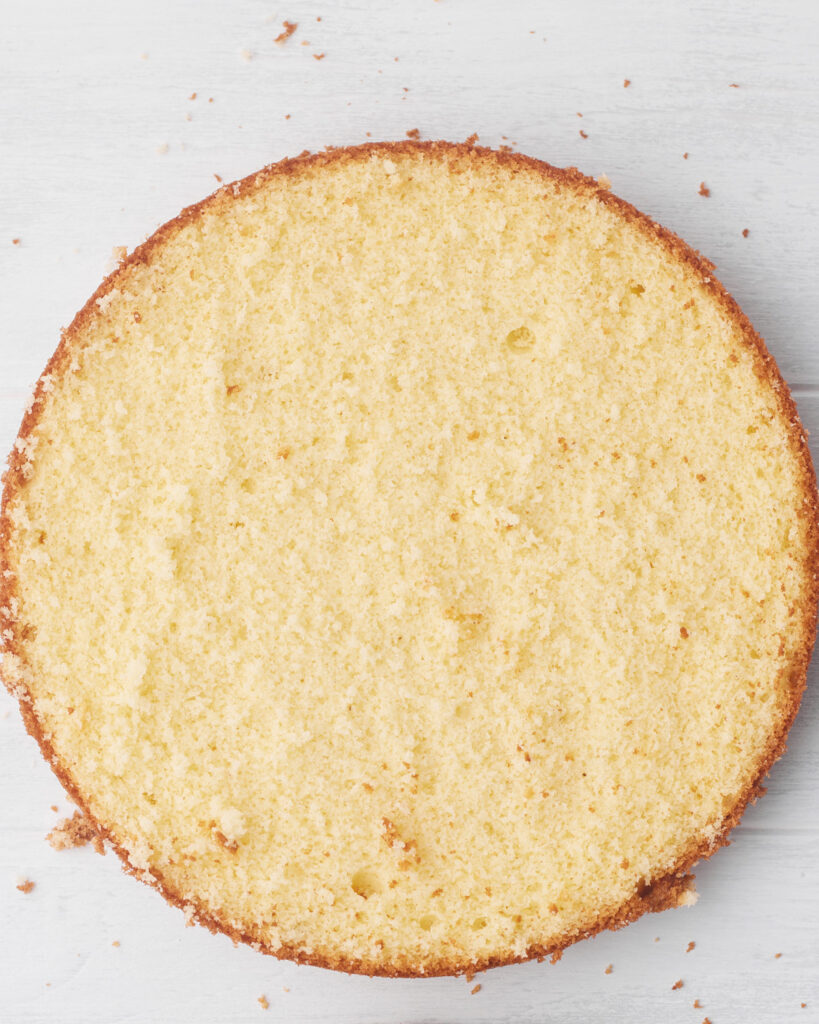
Divide the cake batter into the prepared cake pans and bake for 30-40 minutes or until a skewer inserted into the center of the cake comes out clean.
Remove from the oven and let cool in the cake pans for at least 30 minutes before transferring to a wire rack to cool.
Stack and Fill
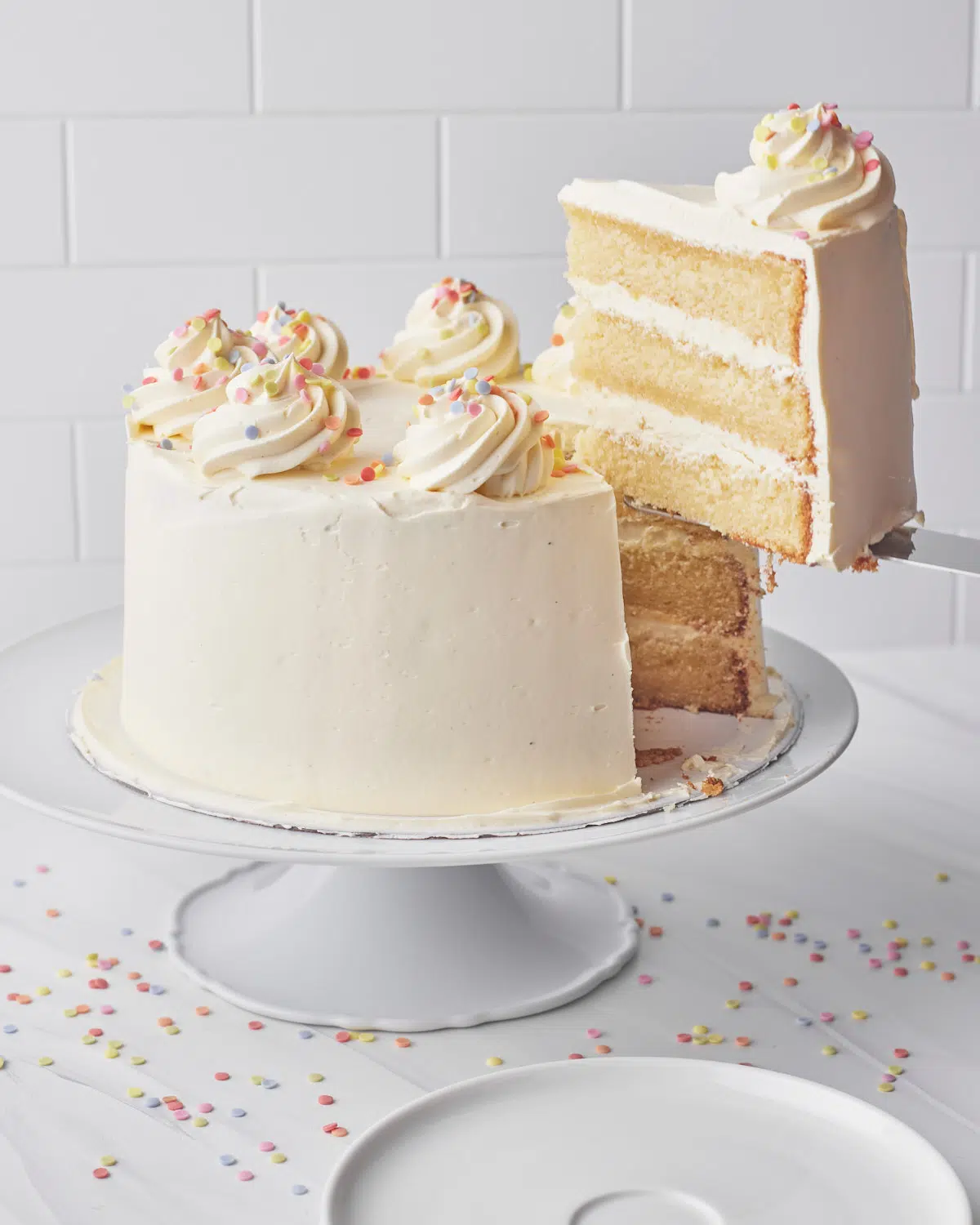
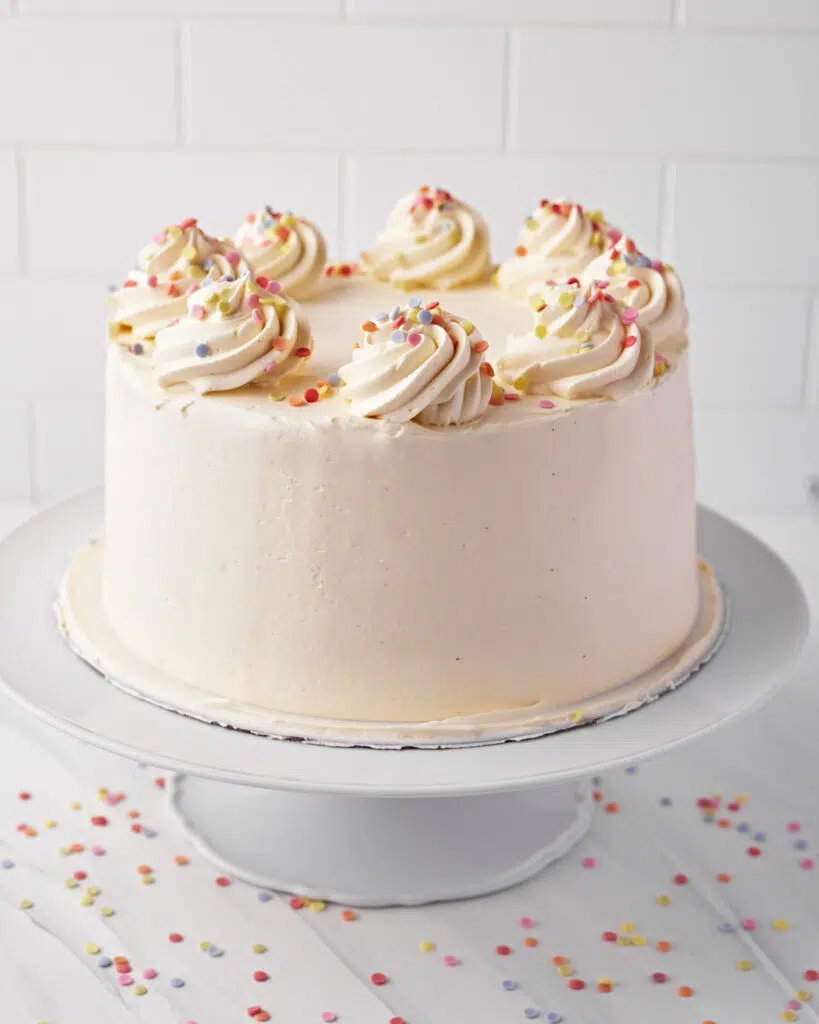
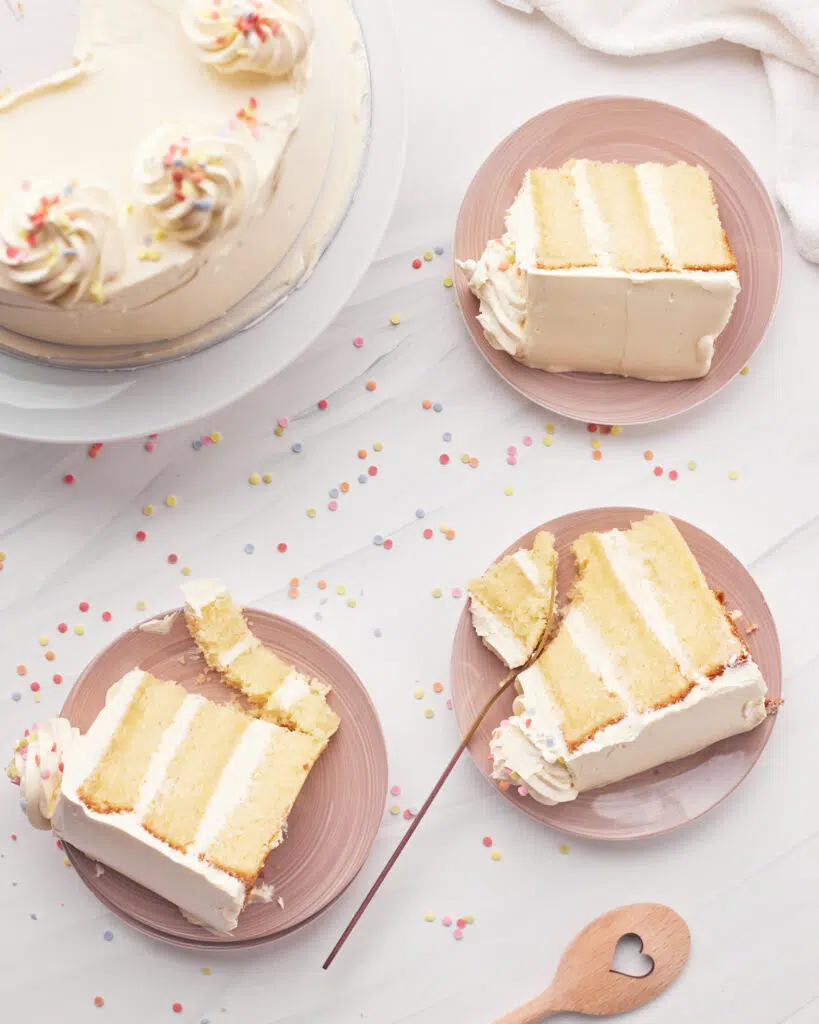
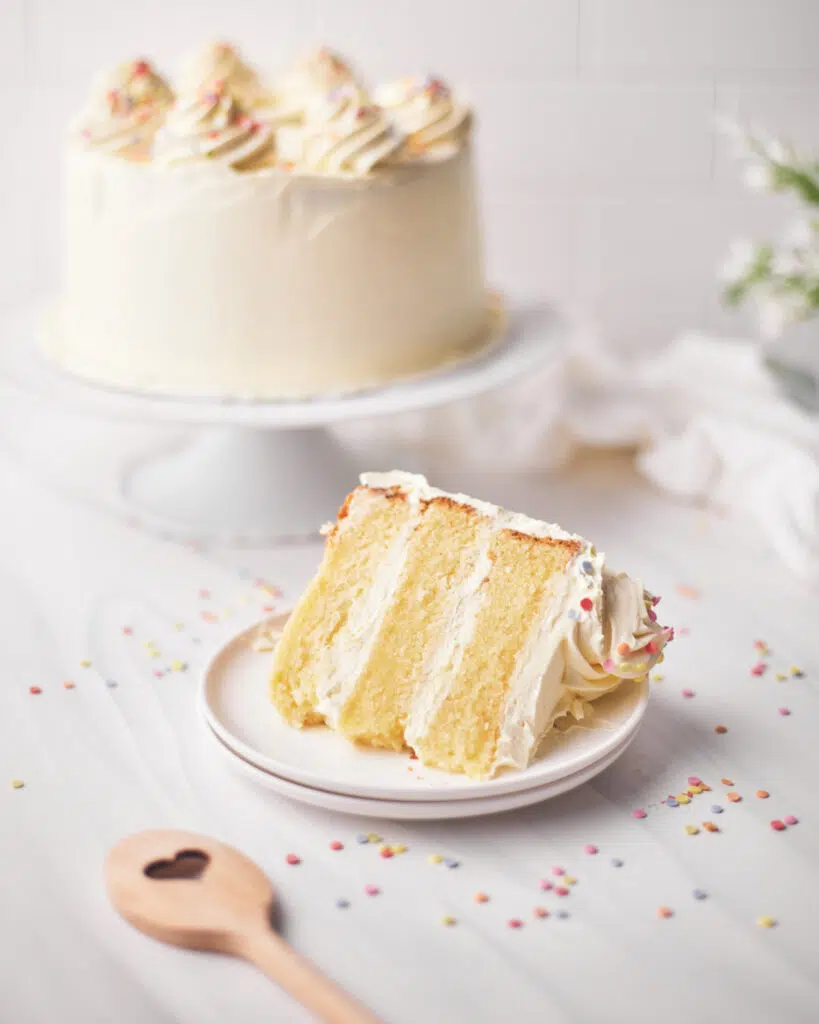
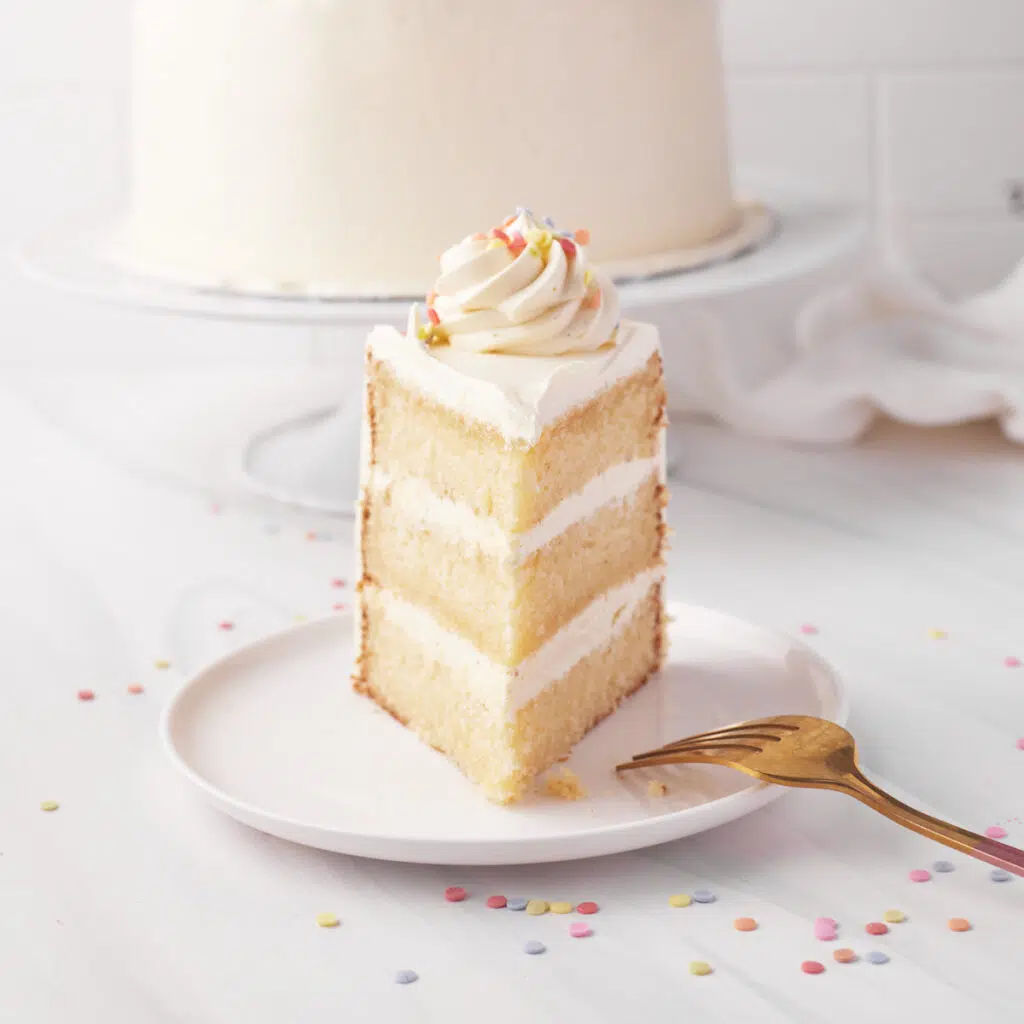
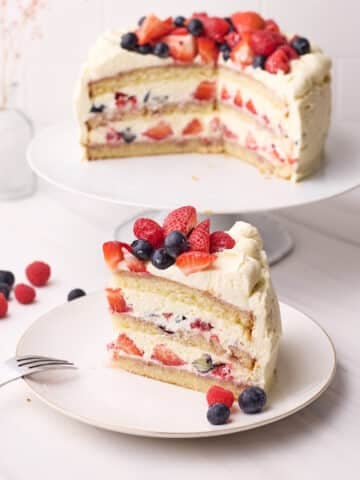
Stack and fill the vanilla cake layers with your favorite frosting. I used Russian buttercream for this one, but see the section below for frosting and filling ideas.
Frosting and Filling Ideas
The fun thing about vanilla cake is that basically, any flavor goes with it! For a classic vanilla flavor, you can stick with vanilla buttercream, but even then there are so many options to choose from! I used Russian buttercream for the cake in the photographs.
You can also add different flavors to your frosting to make things like pistachio buttercream. See my frosting recipes page for more inspiration.
Fillings
Try adding a tasty filling in between your cake layers to take it to the next level. Try:
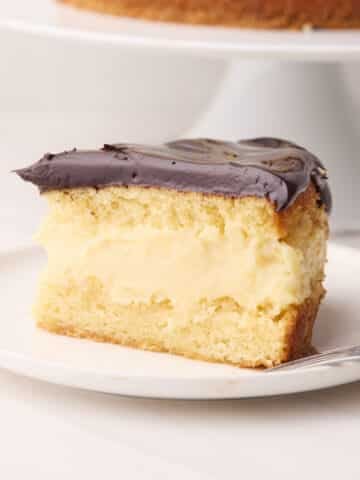
- Vanilla pastry cream - just like in my Custard Cake
- Chocolate ganache
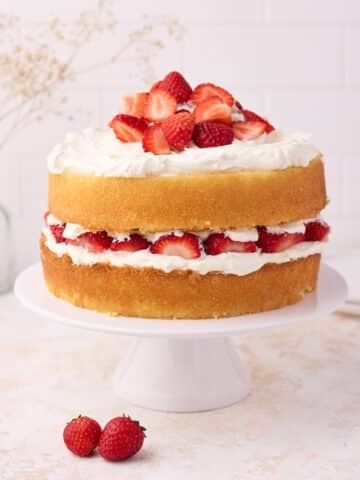
- Strawberries and cream - fresh fruit and chantilly cream.
- Homemade caramel
- Strawberry coulis
See all filling recipes.
Variations
This vanilla cake recipe is so versatile. Here are some ways you can customize it.
- Cupcakes - You can use this same batter to make vanilla cupcakes.
- Add Flavor - This cake recipe takes on flavor really well. Try mixing in some strawberry puree along with the oil to make a strawberry cake, or add some almond extract to it as I do in my Berry Chantilly Cake recipe.
- Simple Syrup - This is a pretty moist vanilla cake already, but you can brush it with simple syrup to make it stay moist for longer, or to infuse the sponge with flavors after baking.
- Mix-ins - Fold some mix-ins like nuts or chocolate chips.
Storage
It's best to store your vanilla cake in an airtight container at room temperature as cakes tend to dry out in the fridge. The only exception to this is if you filled or decorated your cake with something perishable, like cream cheese frosting.
The cake should last at room temperature for 3-5 days.
FAQ
The reverse creaming method is an alternative method of combining the cake ingredients. The typical way to start a cake is to cream the butter and sugar together until light and fluffy and then add the eggs, vanilla and eventually flour and milk. In the reverse creaming method, we start by cutting the butter into all the dry ingredients - including the flour. By coating the flour with butter, you are limiting the gluten development which helps keep the cake tender and fluffy. An added benefit I have noticed is that cakes made with the reverse creaming method tend to come out flatter than other cakes (i.e. less of a dome on top).
There are a number of things that can cause a cake to sink, but it is typically due to the centre being underbaked. See my post about why cakes sink to troubleshoot and find out how to prevent cakes from sinking.
More Classic Cake Recipes
Satisfy your cake cravings with some of these classic cake recipes:
Vanilla Cake Recipe
Ingredients
- 312 g (2¾ cups) Cake Flour
- 350 g (1¾ cups) Granulated Sugar (caster sugar in the UK)
- 1 tablespoon Baking Powder
- ½ teaspoon Salt
- 227 g (2 sticks) Unsalted Butter (room temperature)
- 300 ml (1¼ cups) Whole Milk (room temperature)
- 80 ml (⅓ cup) Vegetable Oil
- 3 Large Eggs (room temperature)
- 2 teaspoon Vanilla Extract
Equipment
- Stand Mixer with paddle attachment
Instructions
- Preheat oven to 335°F / 170°C (150°C fan-assisted) and grease two 8-inch cake pans.
- Sift the flour, sugar, baking powder, and salt into the bowl of your mixer and turn on low speed with a paddle attachment fitted.312 g (2¾ cups) Cake Flour, 350 g (1¾ cups) Granulated Sugar, 1 tbsp Baking Powder, ½ tsp Salt
- Slowly add the butter, one small chunk at a time, letting it mix for a few seconds in between additions. Once it's all in, it should look like chunky breadcrumbs227 g (2 sticks) Unsalted Butter
- In a separate bowl, mix the oil with roughly half of the milk, then add to the flour/butter mixture and beat on medium speed for exactly two minutes. Scrape down the sides of the bowl.300 ml (1¼ cups) Whole Milk, 80 ml (⅓ cup) Vegetable Oil
- Crack the eggs into a bowl, and lightly beat them with the remaining milk and the vanilla. Then turn the mixer back on low speed and slowly drizzle the egg/milk mixture into the cake batter, mixing just until combined. Be very careful not to overmix it.3 Large Eggs, 2 tsp Vanilla Extract
- Divide into two cake pans and bake for 30-40 minutes or until a skewer comes out clean.
- Take them out of the oven and let them cool in the pan for at least 30 minutes before removing and putting on a wire rack to cool.
- Fill and frost with your favourite frosting. I used my Russian buttercream recipe for a silky smooth and sweet vanilla filling. See the post above for more frosting and filling ideas.


Mikelyn Wustman says
Aside from this being a terrific cake (we always do it with German buttercream and it's a HIT), I love that you add the quantities at each stage, and I wish everbody would do it! There's nothing more annoying than reading through the process of the recipe and having to keep scrolling back up to the ingredients to get the quantities. Thank you! This makes the recipe even *better* !!
Paige Bryant says
The cake taste delicious but i cant get my layers to rise. What am I doing wrong?
Juliane Grasekamp says
Hi Paige,
I'm glad you like the flavor of the cake! I'm happy to help you troubleshoot. A few questions:
- Did the cake rise and then sink? Or did it just not rise at all?
- What is the texture like once baked?
- Did you use cups or a scale to measure your ingredients?
- Did you use a mixer or mix by hand?
The most likely causes of cakes not rising are usually either the baking powder has expired, the eggs weren't whipped enough, or the flour was not folded in gently enough, knocking air out of the batter.
Jules
Paige Bryant says
Jules, The cake will rise and then sink. My baking powder is never more that a couple of months old. I use cups for measuring and i use a standing mixer.
I am going to try whipping my eggs more. I will let you know what happens. Thank you for the advice.
Rachel says
Hello! I absolutely love this recipe it’s my go to vanilla cake everytime. I have always made this recipe for 3, 8 inch round cake layers and I was wondering if I should double the recipe for 3,10” cakes or do a 1.5 batch?
Susan Sampson says
Do you have a cookbook? Would love to purchase!