
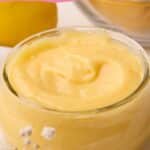
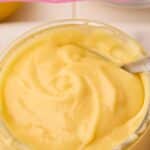
A silky, bright lemon curd recipe with clear visual cues so you know exactly when it's ready - perfect texture every time.

Lemon Curd Recipe Snapshot
What it is: A creamy lemon curd with sharp lemon flavor and just enough sweetness.
Why you'll love it: Homemade curd is completely different from store-bought. It's bright and fresh and sets just the right amount without going gelatinous.
How to make it: Whisk egg yolks, sugar, lemon juice, and zest together over medium heat until thickened. Gradually mix in cold butter, then strain and chill.

Lemon curd is one of those recipes that's all about technique. The most common mistake home bakers make is relying on timing instead of recognising when the curd is ready, so it ends up either undercooked and runny or overcooked and gelatinous (or worse - scrambled). But once you know the visual cues, it's actually very easy to make a silky, bright lemon curd that sets perfectly.
After testing multiple versions, I found that a few small details can make all the difference. Adding cold butter at the end stops the curd from cooking further and gives it a smooth, glossy finish, and rubbing the lemon zest into the sugar releases its natural oils for a deeper, more vibrant citrus flavour.
Jump to:
Why This Recipe Works
- Rubbing the lemon zest into the sugar releases its natural oils, giving a more vibrant citrus flavour without adding extra acidity.
- A balanced ratio of lemon juice to egg yolks creates a lemon curd that sets thick enough to spread beautifully without turning gelatinous.
- Adding the lemon juice gradually to the whisked yolks and sugar helps prevent the acidity in the juice from scrambling the eggs.
- Using visual cues to know when the curd is ready gives far more consistent results than relying on timing.
- Stirring in cold butter at the end stops the cooking process to keep the curd a perfect consistency. Adding it gradually allows it to emulsify smoothly without splitting.
Ingredients
Lemon curd has simple ingredients, but each one plays a specific role, and has been carefully balanced and tested by yours truly! Even small changes in the ratios can noticeably affect the texture and flavour.

- Egg Yolks - Using just egg yolks makes a curd that's silky, rich, and never rubbery. Save your whites for a delicious pavlova or angel food cake. Use large eggs in the US and medium eggs in the UK.
- Sugar - Granulated sugar (caster sugar in the UK) will blend smoothly into the curd.
- Lemons - Both the zest and juice of fresh lemons will create a beautifully bright lemon flavour. Be sure to use unwaxed lemons.
- Butter - This will give the lemon curd a glossy texture and rich, buttery taste. Use unsalted butter.
- Salt - A small pinch of salt helps bring out the lemon's natural flavour and keeps the sweetness from tasting one-dimensional, making the curd taste brighter and more balanced.
See the recipe card for measurements in both cups and grams (though I always recommend using a kitchen scale).
How To Make Lemon Curd
The most important thing in this easy lemon curd recipe is knowing when to take it off the heat. Silky-smooth curd can turn into sweet scrambled eggs pretty quickly if left to cook for too long, so I've given specific visual cues so you know exactly when the lemon curd is ready.
Lemon Sugar
Zest the lemons until you have roughly 1.5 tablespoons of zest, then add it to the sugar and rub it in with your fingers until it is all combined and smells fresh and lemony.

Juice and Strain
Juice the zested lemons into a small bowl until you have 80ml (⅓ cup) of juice. Strain it through a fine-mesh sieve to remove any seeds or pulp. Set aside.

Whisk Ingredients
Put the lemon sugar into a medium saucepan along with the egg yolks and salt, and whisk together until pale and thick.

Add Lemon Juice
Gradually whisk in the fresh lemon juice until it is smooth and well combined.

Heat Gently
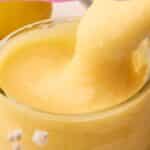
Cook the lemon mixture over medium-low heat, whisking constantly (but not vigorously), until it thickens enough that it falls from the whisk in thick ribbons (this should take about 5-10 minutes). Don't let it get hot enough to bubble, as this can scramble the egg yolks.
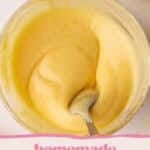
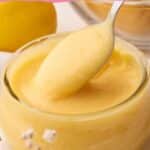
Once it's ready, it should be able to coat the back of a spoon. If you run your finger through it and the line stays - it's ready. If not, continue heating gently.

Avoiding Overcooking
If you're nervous about overcooking, you can use a double boiler instead of cooking over direct heat in a saucepan. It takes about twice as long, but you'll have way more control over the temperature and almost zero risk of scrambling the eggs.
Add Butter Gradually
Remove from the heat and whisk in the cold butter a little at a time until fully incorporated. The curd may look quite loose and almost pourable while warm - don't panic, it will thicken as it cools.

Strain and Chill
Pass the lemon curd through a fine-mesh sieve into a bowl to remove any small pieces of zest or cooked egg. Put it in a jar or an airtight container, let it cool, then refrigerate for 2 hours before serving.

Ways To Use Lemon Curd
You'll always find a jar of homemade lemon curd in my fridge during the warmer months, ready to be paired with countless sweet treats. Here are a few delicious ways you can make the most of it.
- Pastries and donuts - Fill pastries and donuts with lemon curd to give them a summery, citrus twist. Try adding lemon curd in the middle of custard donuts, or pair it with eclairs or profiteroles to give them a burst of citrus flavour.
- Lemon-filled Cupcakes - Core out the middle of some vanilla cupcakes and fill them with lemon curd for a surprise citrus centre.
- Lemon tart - Fill up a shortcrust pastry tart (or mini tartlets) with the lemon curd, and refrigerate to set in place. This makes a delicious and easy summer dessert!
- Lemon whipped cream - For a quick dessert fix, whip up some fresh cream to soft peaks and fold in as much lemon curd as you like. Serve on its own, or alongside fresh fruit.
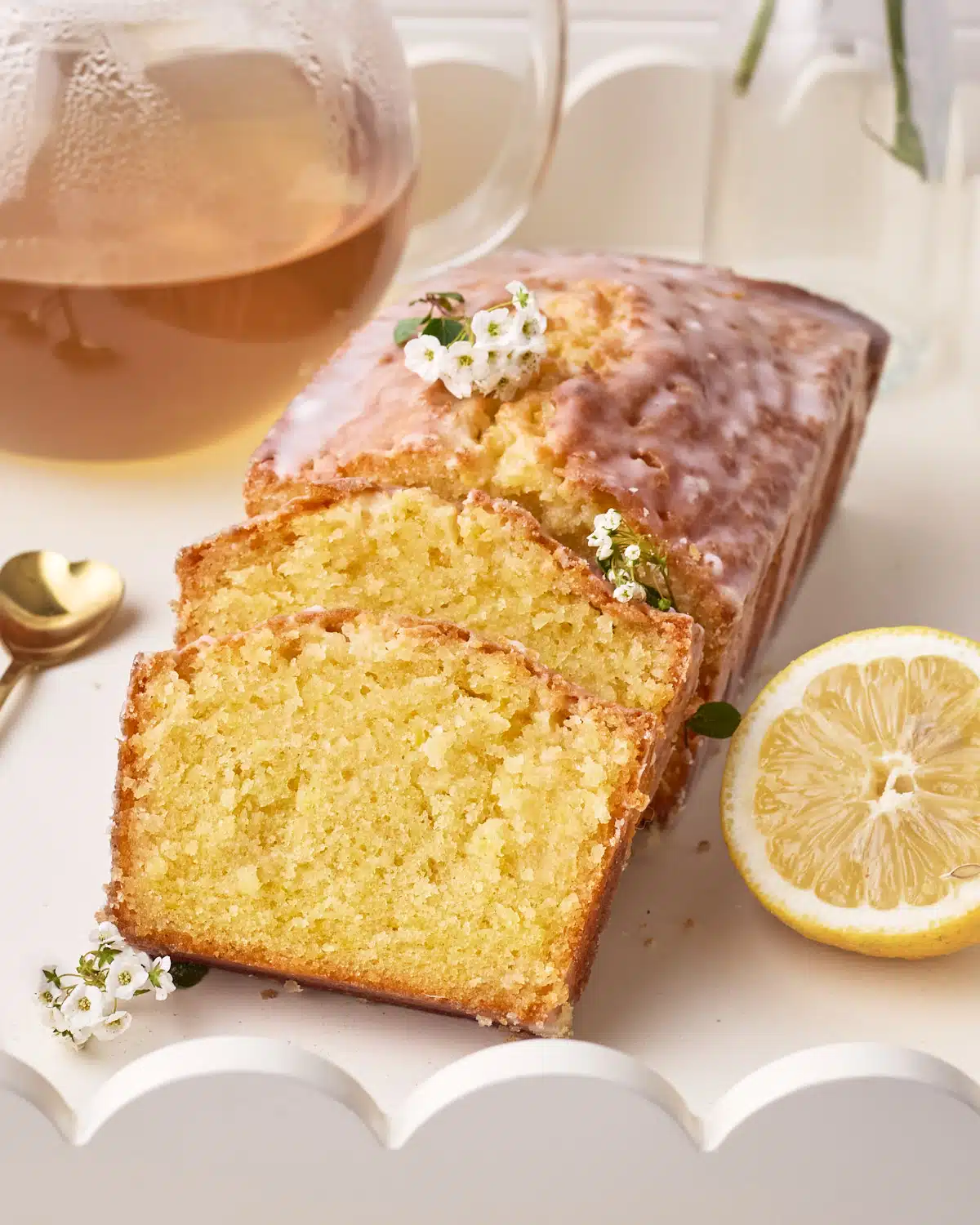
- Cake filling - Switch out classic jam cake filling for this zingy lemon curd! You can pair with layers of my easy sponge cake, from-scratch pistachio cake, or serve on the side with lemon drizzle cake.
- Lemon Curd Cookies - Use a thick layer of lemon curd to sandwich cookies together - like lemony Linzer cookies. It goes nicely with my shortbread cookies.
- Breakfast topper - Use a dollop of lemon curd to brighten up your morning! It goes beautifully with yoghurt, fruit, granola, pancakes, waffles, scones, and even spread on toast.
- Lemon cheesecake - Nothing beats a citrus cheesecake. Simply swirl the lemon curd into the cheesecake batter, top it with a thick layer of curd, and chill to set.
- Lemon Pavlova - The tartness of the lemons gives a tasty contrast to a sweet meringue in pavlova.
Storage
Store your homemade lemon curd in an airtight container or a jar with a tight-fitting lid. It will keep well for up to 2 weeks in the refrigerator.
Curd is firmer when cold, so stir it well before serving or let it sit at room temperature for about 30 minutes first.
How to freeze lemon curd
Lemon curd freezes beautifully for up to 3 months. Portion it into small containers or even ice cube trays so you can take just what you need out of the freezer. Thaw overnight in the fridge, then stir well before using. If it looks slightly separated after thawing, a quick whisk should bring it back together.

Lemon Curd FAQs
If you have a question about this recipe that isn't answered here, please write it in the comment section, and I will get back to you as soon as I can.
The most common mistake when making lemon curd is not knowing when to take it off the heat, leading to it being overcooked or undercooked. It's best to learn visual cues that it is ready, rather than relying on timing.
While they look and taste similar, lemon curd and lemon pie filling are not the same thing. Lemon curd has a silky, rich, and pudding-like texture, which is thickened just by egg yolks. Lemon pie filling usually uses cornstarch and often whole eggs to create a thicker consistency that sets firmly in place once chilled, ready to slice. Lemon pie filling is typically a little lighter in flavour too, and less concentrated than lemon curd.
Runny lemon curd is usually due to the egg yolks being undercooked, meaning the curd won't have that rich, custard-like consistency. Cook the lemon and egg mixture on a gentle heat and whisk constantly. You'll know it's ready once the curd coats the back of a spoon - if you run your finger through it, it should leave a clear line that doesn't immediately fill back in.
Show Me Your Bakes!
If you tried this recipe, I'd love to know how it turned out in the comments!
Want to share a photo? You can send me a pic or tag @bonni_bakery on Instagram - I love seeing all your creations.
More Baking Components
Expand your baking toolkit with these tasty dessert components:

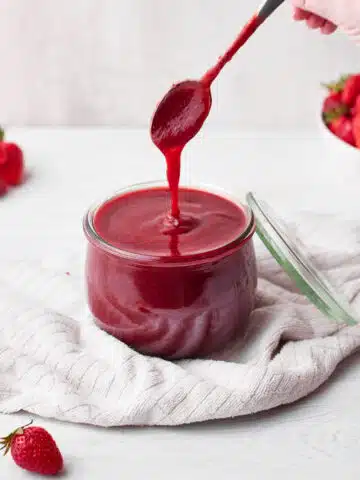

Lemon Curd Recipe
Ingredients
- 4 Egg Yolks
- 150 g (¾ cup) Granulated Sugar (Caster Sugar)
- 2 (2-3) Lemons unwaxed
- 1 pinch Salt
- 70 g (5 tablespoon) Unsalted Butter cold
Instructions
- Zest the lemons until you have roughly 1½ tablespoons of lemon zest, then squeeze them until you have 80ml (⅓ cup) lemon juice. Strain the juice to remove any seeds or pulp.2 (2-3) Lemons
- Rub the lemon zest into the sugar with your fingers until it is all combined and smells lovely and lemony. This releases the natural oils for a more vibrant lemon flavor.150 g (¾ cup) Granulated Sugar
- Put the lemon sugar, egg yolks, and salt into a medium saucepan and whisk together until smooth.4 Egg Yolks, 1 pinch Salt
- Gradually whisk in the lemon juice a little at a time - this stops the acid from scrambling the eggs and will help to make a smoother curd.
- Put the saucepan over medium heat, whisking constantly (but not vigorously) until the mixture thickens enough that it falls from the whisk in thick ribbons (5-10 minutes). Don't let it boil. You'll know it's ready when the curd can coat the back of a spoon and you can draw a line through it without it filling back in.
- Remove from the heat and whisk in the butter, a little at a time, whisking in between until completely incorporated. Adding the butter cold helps to rapidly cool the curd and stop it from cooking any further. It will look runny while it's warm, but it will thicken up as it cools.70 g (5 tablespoon) Unsalted Butter
- Pass the lemon curd through a fine-mesh strainer and into a jar or airtight container.
- Let it cool, then refrigerate for at least 2 hours.





Gina says
This was by far the best recipe I have used to make lemon curd! The instruction to add the lemon juice slowly was new to me and it did give a smoother and creamier finished product. I also felt it wasn’t astringent like some, not too sweet with perfect lemon flavor. I’m now your biggest fan and plan on serving it with your buttermilk scone recipe!