
Cake flour is one of the most misunderstood baking ingredients. Not every cake needs it, but in the right recipe, it can make a real difference. This guide explains exactly what it is, when it's worth using, and when you can happily skip it.
Cake Flour: TLDR
What it is: A fine, low-protein flour that makes softer cakes with a velvety crumb.
When to use it: Best for delicate cakes like sponge cake, where a light texture matters.
When not to use it: Cakes that need a sturdier texture, like pumpkin cake, are better with all-purpose flour.
What if I don't have it? You can swap for all-purpose flour in most cases, or you can make your own cake flour (see below).
"Do I really need cake flour?" is one of the most frequently asked questions I get here on the Bonni Bakery blog.
Some recipes genuinely benefit from the lovely texture that cake flour produces. Others are just as good, or sometimes even better, with just all-purpose flour (plain flour in the UK). What matters is understanding why a recipe calls for cake flour in the first place.
In this guide, I'll explain what cake flour is, how it differs from all-purpose flour, when it's worth using, and when it's not. Once you understand what it's actually doing in a recipe, choosing the right flour becomes much less of a guessing game.
Jump to:
What Is Cake Flour?
Cake flour is a finely milled wheat flour that's designed to make cakes with a light, soft, and delicate texture.
Compared to all-purpose flour, it contains less protein, typically around 7-9% compared to around 10-12% in all-purpose flour. It doesn't sound like a big difference, but that lower protein content can make a big difference to the end result.
It's easy to assume that cake flour is the best choice for every bake, but it's designed to do one very specific job. It does that job very well, but for cakes that need to be sturdy and hold their shape, all-purpose flour is often the better choice.
Why Does Less Protein Matter?
The answer comes down to gluten.
When you add liquid to flour, its proteins join together to form gluten. The more protein a flour contains, the more gluten it can develop, creating a stronger structure in your baked goods.
Because cake flour starts with less protein, it develops less gluten as the batter is mixed. That means cakes stay softer and more tender instead of becoming chewy or sturdy.
When To Use Cake Flour
Cake flour is perfect for any cakes that should be light, delicate, or have a fine crumb. It's a great choice for things like sponge cake or soft vanilla cakes, where the velvety texture is the goal.
Great with Cake Flour
Best with All-purpose Flour
A Note for UK Bakers
In the UK, cake flour can be a bit tricky to find. That's partly because the chlorination process used to make most American cake flours isn't permitted for flour produced in the UK, so supermarkets don't tend to stock a direct equivalent.
I am usually able to find imported American cake flour online, but they're usually more expensive and harder to source than in the US.
I also have a detailed post all about the differences between UK and US baking ingredients.
What If I Don't Have Cake Flour?
Don't worry if you don't have cake flour - in most cases, your cake will still turn out well with all-purpose flour. It may be slightly less soft and velvety, but the difference is usually subtle.
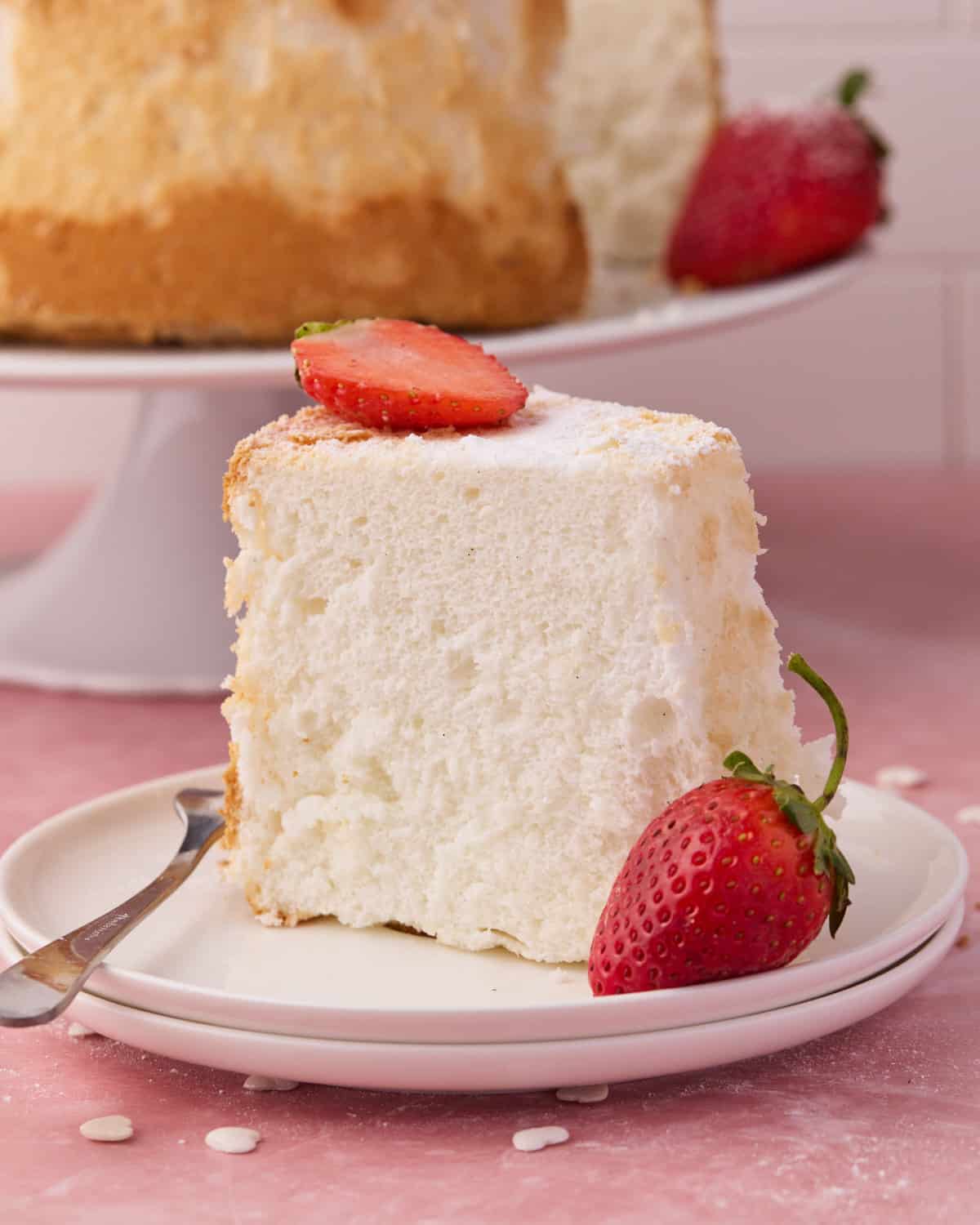
The recipes where it does matter are ones like angel food cake and dacquoise - where the dessert relies on the cake being super light. I recommend trying to get your hands on cake flour for those - but it's not the end of the world if you don't.
If a recipe calls for cake flour and you don't want to substitute it with all-purpose flour, you can make a kind of cake flour 'dupe' at home.
How To Make Your Own Cake Flour
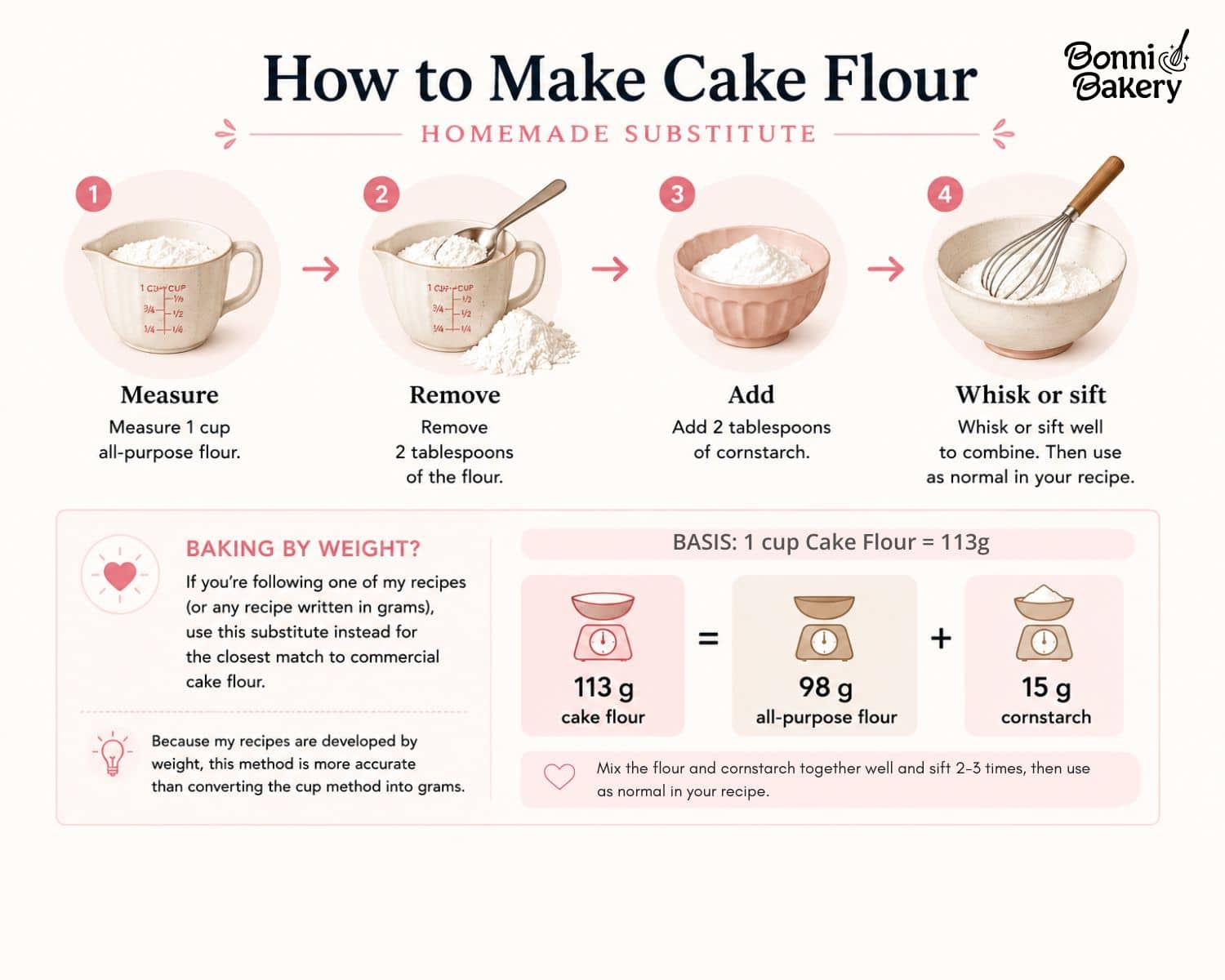
If you don't have cake flour, you can make a decent substitute using all-purpose flour (plain flour) and cornstarch (called cornflour in the UK).
The most popular way to make homemade cake flour is by volume, using cups, which I have given below.
But as a professional baker, all of my recipes are developed by weight using a kitchen scale, so I felt I needed to have an accurate weight method as well for all my kitchen scale bakers out there.
Cake Flour Substitute by Volume
- For every 1 cup of cake flour the recipe calls for, measure out 1 cup of all-purpose flour.
- Remove 2 tablespoons of the flour, then replace it with 2 tablespoons of cornstarch.
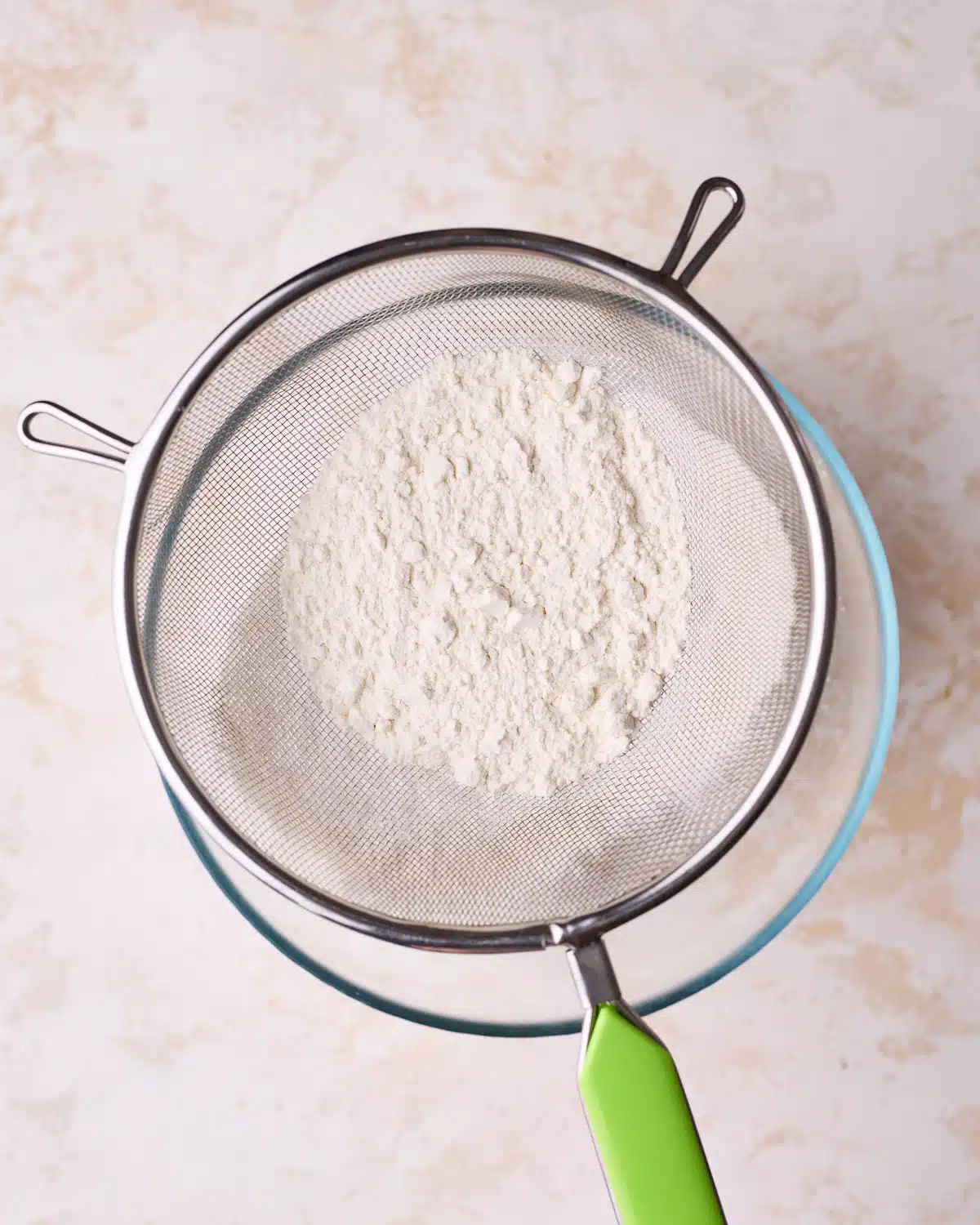
- Whisk the flour and cornstarch together thoroughly and sift 2 or 3 times to lighten it. Then use as normal in the recipe.
Cake Flour Substitute by Weight
If you're following a recipe written by weight (like all of my recipes), it's best to make the substitute by weight too. This gives you a much closer match than converting the cup method into grams, especially as 1 cup of cake flour typically weighs about 113g (a little less than AP flour).
- For every 113g cake flour that the recipe calls for, substitute with 98g all-purpose flour (plain flour) and 15g cornstarch (cornflour).
- Whisk the flour and cornstarch together thoroughly and sift 2 or 3 times to lighten it. Then use as normal in the recipe.
This cake flour substitute works by lowering the overall protein content of the flour, which will give you a softer cake than regular all-purpose flour.
It's still not the same as using real cake flour, which is milled finer than other flour, so if you are making a delicate cake, I still recommend using the real deal if you can. However, this substitute will work for most home baking.
My Testing Observations
Part of my recipe development process is finding the best ingredients for the bake, so I have tried most of my cake recipes using both cake flour and all-purpose flour. Here's what I found:
- Vanilla cupcakes: AP flour still made fantastic cupcakes, but compared side by side, the cake flour ones were definitely more tender with a finer crumb.
- Chocolate cake: AP flour was best for this recipe; the cake flour made it a little too soft, and it was almost falling apart when trying to frost it with chocolate buttercream.
- Red Velvet Cupcakes: Both AP flour and Cake flour produced great cupcakes, with not much noticeable difference.
- Sponge Cake: When making genoise sponge, I noticed that the AP flour knocked more air out of the batter when folding it in, so the cake flour cake had more height.
My conclusion: Using the right kind of flour can make a noticeable difference in certain recipes, but a lot of the time you can get away with using either.
Recipes That Use Cake Flour
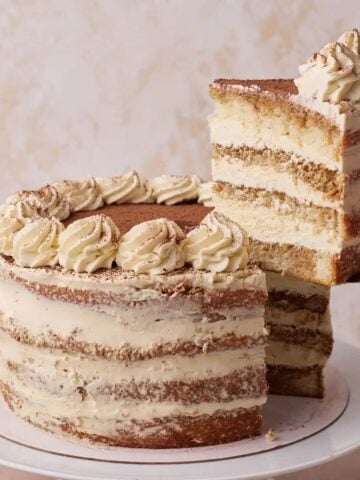
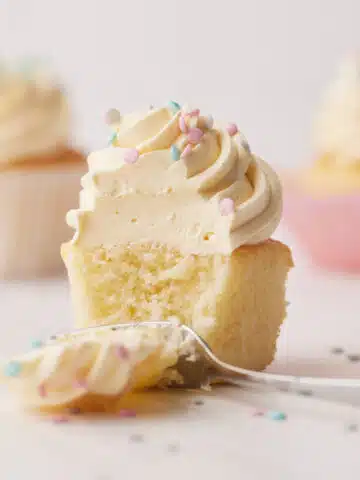
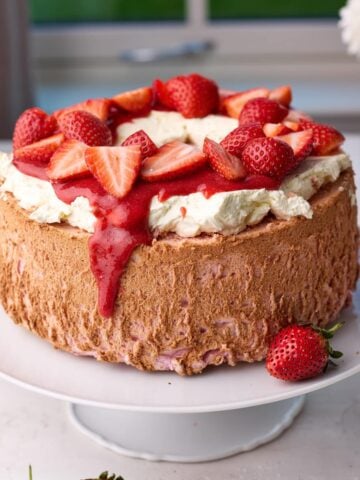
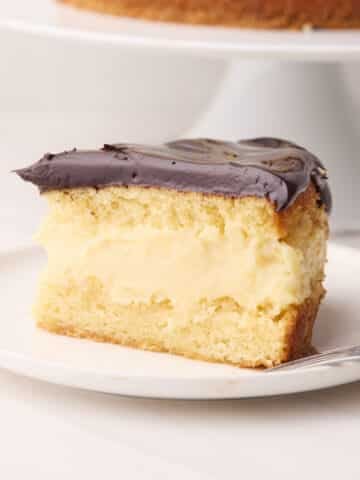
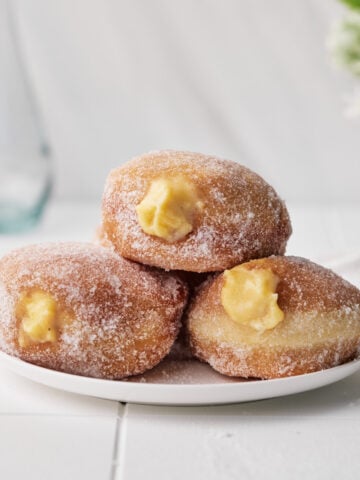
These are some of the recipes that do really well with cake flour:
Cake Flour Substitute Recipe
Ingredients
- 1 cup All-purpose Flour (Plain Flour)
- 2 tablespoon Cornstarch (Cornflour)
- 98 g All-purpose Flour (Plain Flour)
- 15 g Cornstarch (Cornflour)
Instructions
- The most popular method of making cake flour substitute is by volume. However, if you are baking by weight (as I always do), it will be much more accurate to do this with a kitchen scale. It's not possible to do this with a regular conversion as 1 cup of cake flour weighs less than 1 cup of all-purpose flour. So I have both options below.
- For every 1 cup of cake flour called for in the recipe, measure out 1 cup of all-purpose flour.1 cup All-purpose Flour
- Replace with 2 tablespoons of cornstarch.2 tbsp Cornstarch
- Whisk together thoroughly and sift 2-3 times to lighten it.
- For every 113g of cake flour called for in the recipe, weigh out 98g all-purpose flour.98 g All-purpose Flour
- Add 15g cornstarch.
- Whisk together thoroughly and sift 2-3 times to lighten it.
Hi, I'm Jules!
I'm a Scottish ex-bakery owner sharing my tried and true dessert recipes and expert tips to help you whip up impressive desserts at home.
Check out my baking blog and try a few recipes.
Or just lick the screen a little...
Happy Baking!