
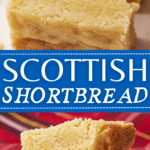
This is the traditional Scottish shortbread recipe I grew up making in Scotland. The secret to its signature melt-in-the-mouth texture is a traditional method that many modern recipes have replaced.

Scottish Shortbread Recipe Snapshot
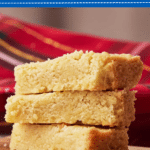
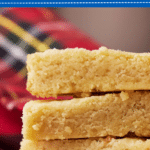
What makes it traditional: Real shortbread uses only 3 ingredients - butter, sugar, and flour. And it's baked into classic 'fingers'.
Why use THIS recipe: Because Scotland has been making shortbread this way for centuries - we might know a thing or two 😉.
Why it works: It uses the traditional softened butter method, NOT the creaming method, so the butter isn't whipped full of air. This is what gives it that signature buttery texture.
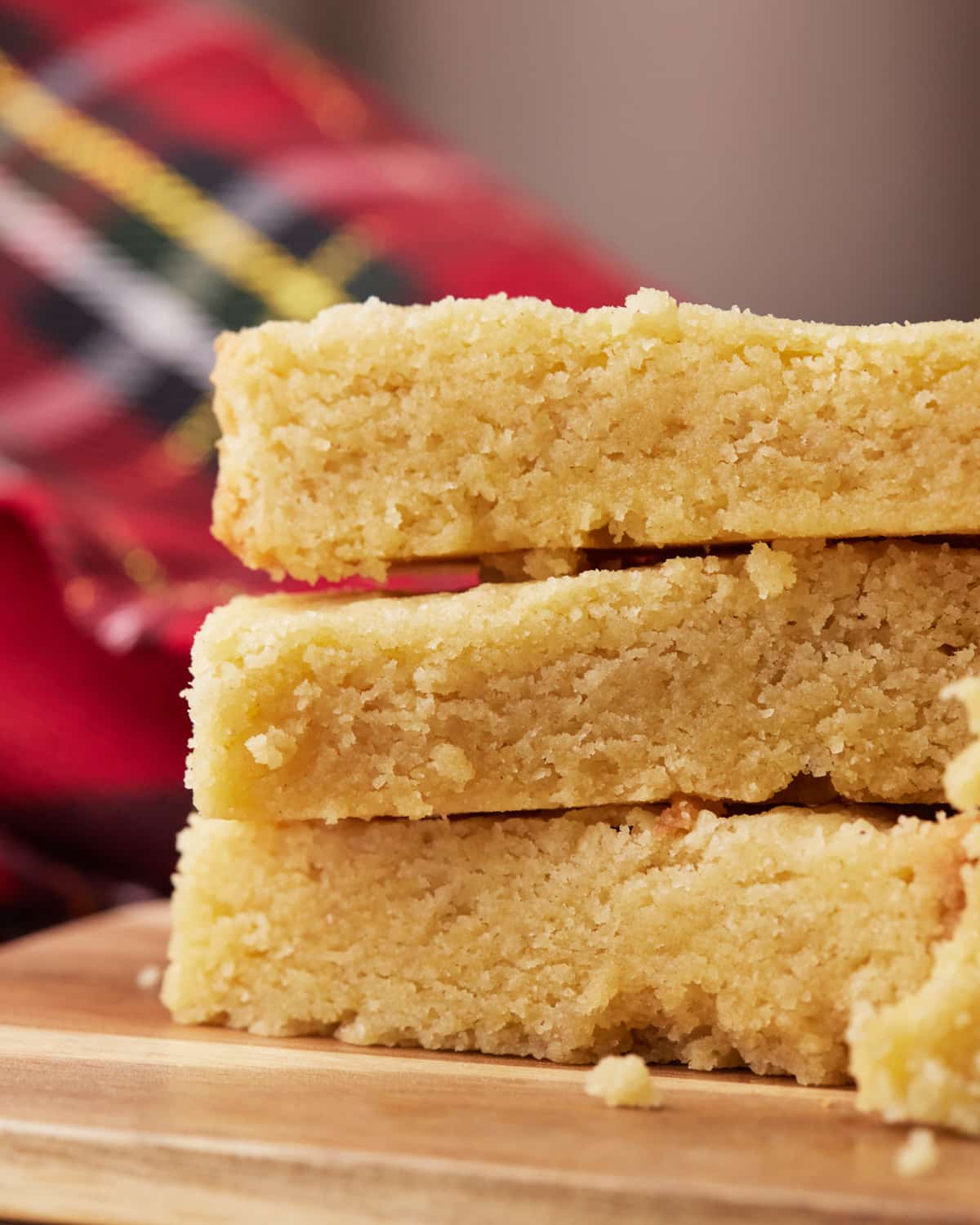
Growing up in Scotland, we were taught to make traditional shortbread at school as kids, using this exact method. Even after ten years of owning a bakery, I won't make it any other way.
Most recipes treat it like cookie dough and cream the butter, but that's not how traditional Scottish shortbread is made. Instead, you use softened butter and gently bring the dough together, which keeps the texture dense, rich and crumbly rather than light and airy.
Reader Review:
For the first time ever, I was able to make a perfect traditional shortbread thanks to your recipe and instructions. I had always creamed the butter and it never turned out.
Thank you! I can now remove the tartan bag of shame off my head and proudly present this shortbread. Well done Jules, thank you.
⭐⭐⭐⭐⭐ - Jan
Jump to:
Ingredients
A real shortbread recipe only has three ingredients, and they are balanced in a careful ratio to make the signature crumbly texture.
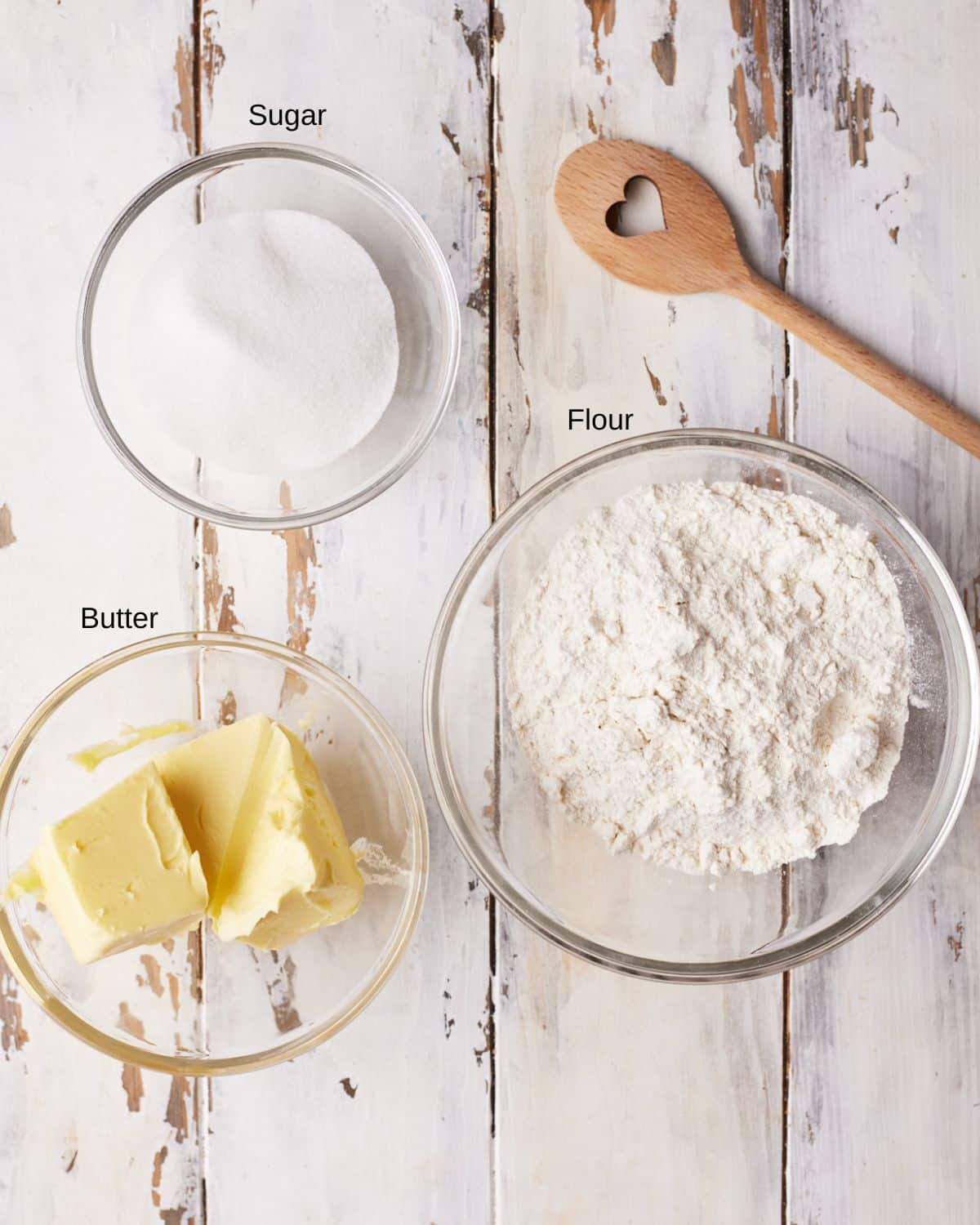
- Salted Butter - Butter is the star of the show, so use the best quality you can. European-style butter has a higher fat percentage, which works beautifully. Salted butter is traditional, but if you only have unsalted butter, just add ½ teaspoon of fine salt to the flour.
- Sugar - Granulated sugar (Caster sugar in the UK) blends in smoothly without incorporating too much air.
- Flour - All-purpose flour (Plain flour) gives shortbread just enough structure while still keeping it tender.
See the recipe card for the full recipe and measurements in both cups and grams (though I strongly recommend weighing your ingredients for accurate ratios).
Things You'll Need
You just need a bowl and a spoon for this shortbread method. If you want to use a stand mixer, you can - but be very careful not to overwork the dough.
- Large Bowl
- Wooden Spoon
- Metal Baking Pan - Metal conducts heat more evenly than glass or ceramic. A glass dish will take longer to bake.
How to Make Scottish Shortbread
This softened butter method is exactly how we were taught to make shortbread growing up in Scotland. Not only does it give the best texture, but it's so easy to make and doesn't need a food processor or pastry cutter.
Before You Begin...
- Let the butter come completely to room temperature: Take it out of the fridge 1-2 hours before you need to use it. It should be soft enough that you can easily make an indent in it with your finger, but not so warm that it is greasy or melting.
- Preheat your oven to 320°F / 160°C (140° fan-assisted) and line an 8-inch square baking pan with parchment paper.
Combine the Butter and Sugar
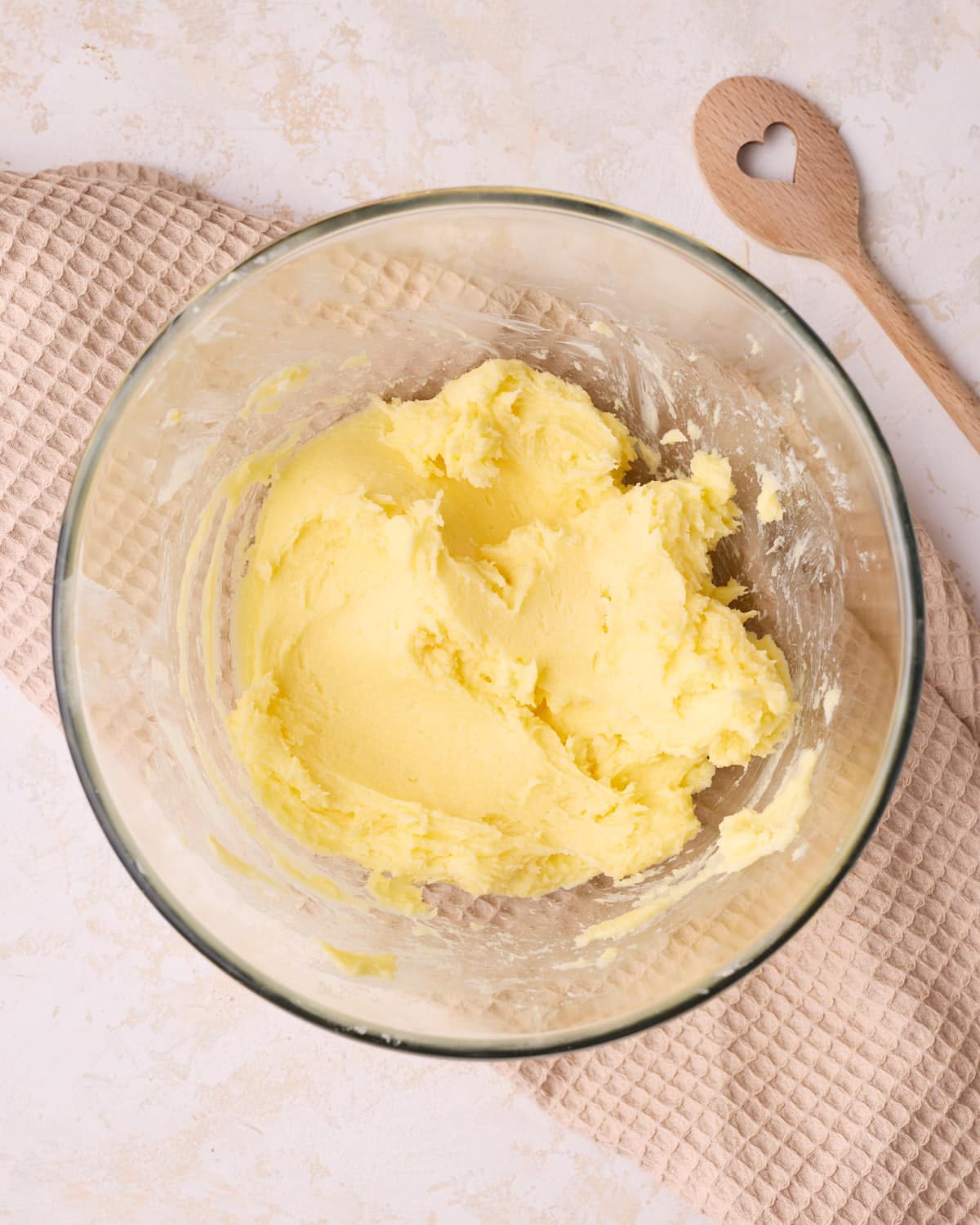
Put the softened butter into a large mixing bowl and use a wooden spoon or spatula to smooth it out.
Add the sugar and mix just until it's evenly combined. The mixture should look smooth and creamy, but not light or fluffy.
Gently Mix in the Flour
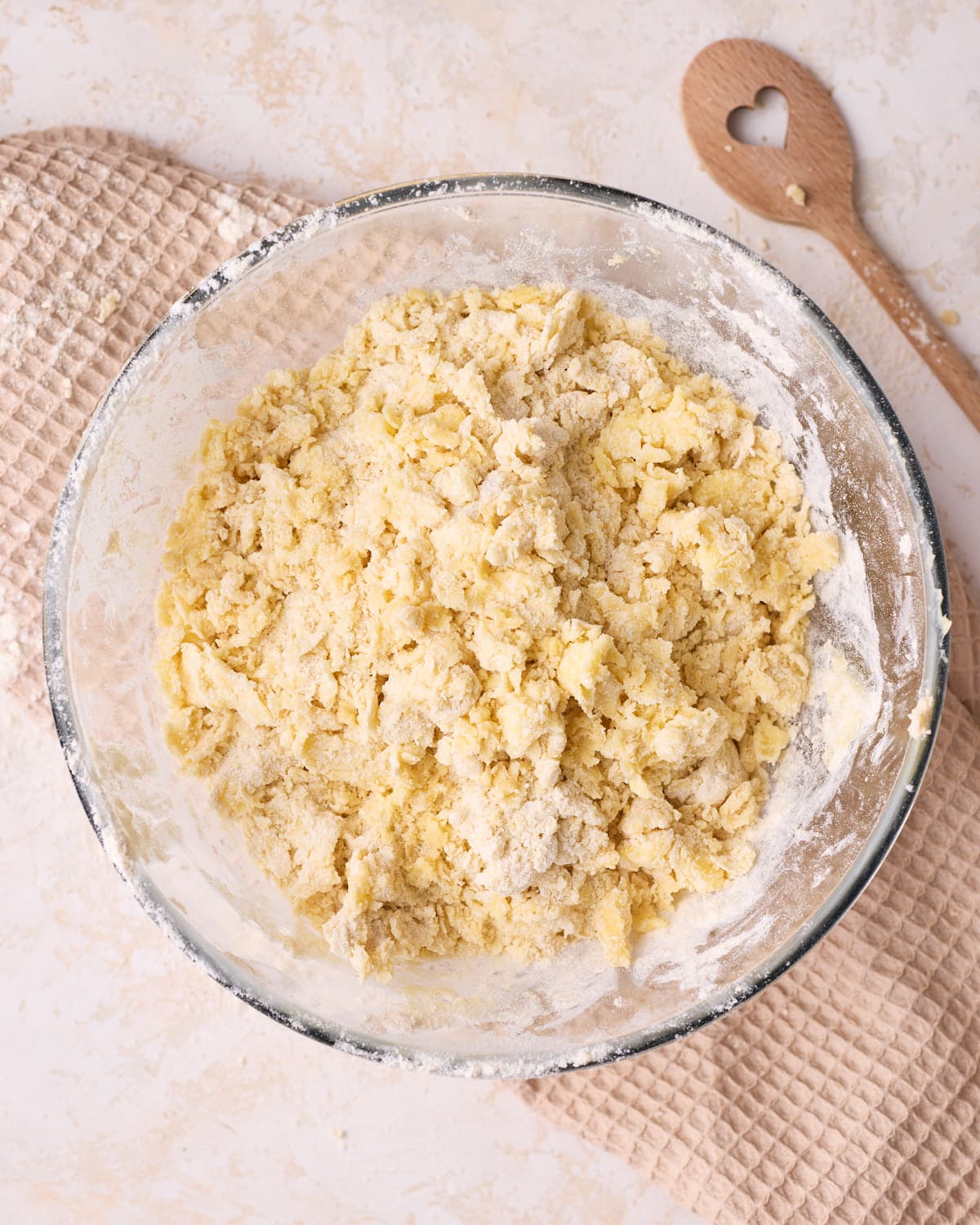
Sift in the flour and stir until the mixture looks crumbly with no obvious dry patches.
Ditch the spoon and use your hands to gently squeeze the mixture together into a smooth dough.
It may seem too dry at first, but keep gently pressing it together rather than kneading it. Stop as soon as there are no dry pockets of flour or visible lumps of butter.
Press into the Pan
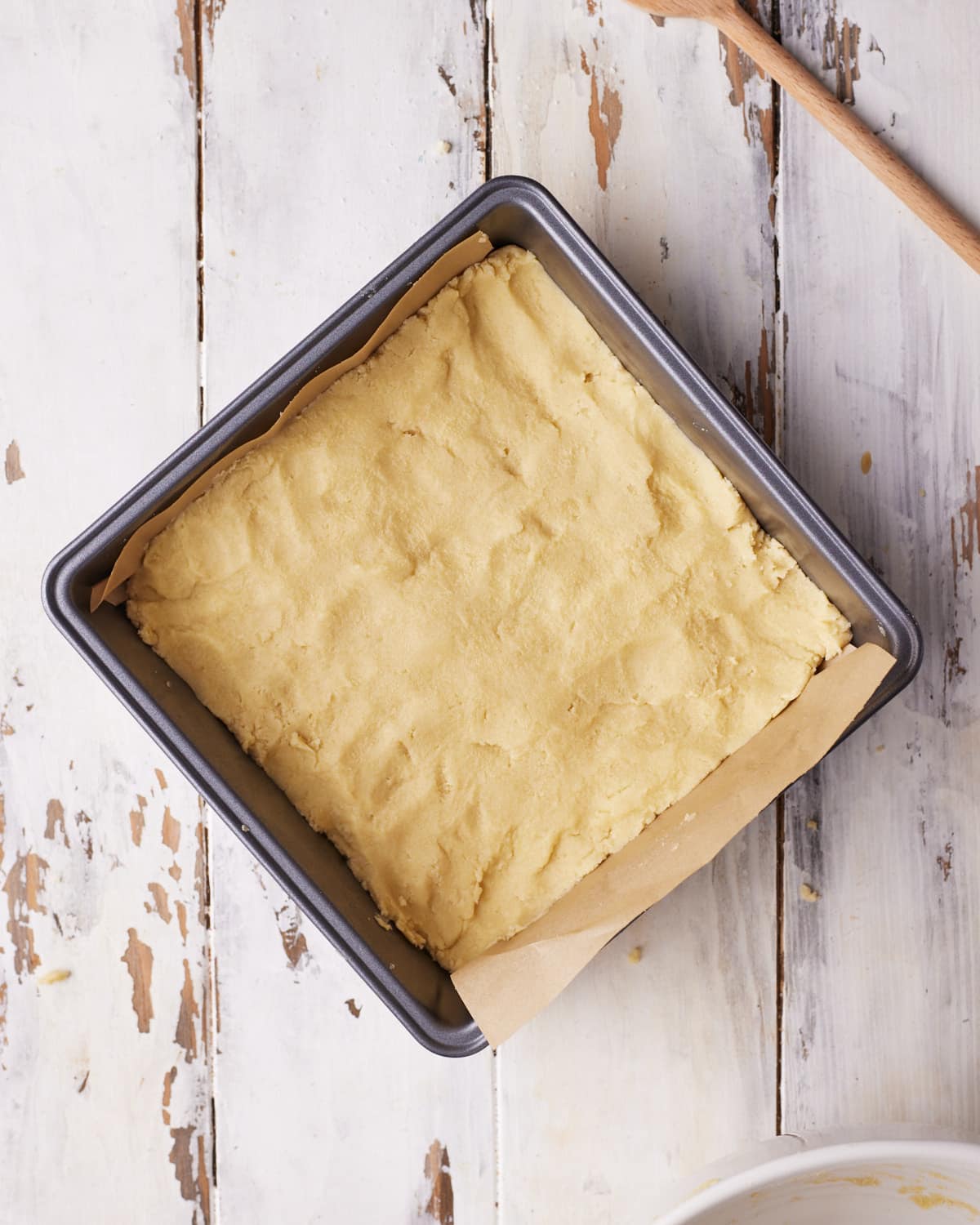
Put the dough into the prepared cake pan and use your hands to press it into all the corners and make it as flat and level as possible to help it bake evenly. It's a very soft dough, so it should be easy to manipulate into the pan.
Dock (prick) the shortbread all over with a fork, pressing about halfway through the dough. This allows steam to escape as it bakes and helps the shortbread bake evenly.
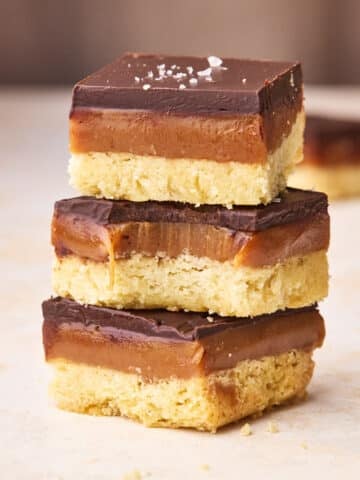
P.S. This is also the method used to make the base layer for traybakes like Millionaire's Shortbread.
Bake the Shortbread
Bake for 25-35 minutes.
The shortbread is ready when the edges are just beginning to turn golden, but the top is still very pale. It may look underbaked coming out of the oven, but it will continue to bake a little as it cools.
Don't wait until the whole surface is golden, or your shortbread will end up overbaked and crispy.
Remove from the oven and let cool in the pan for about 15 minutes before removing.

Slice into Fingers
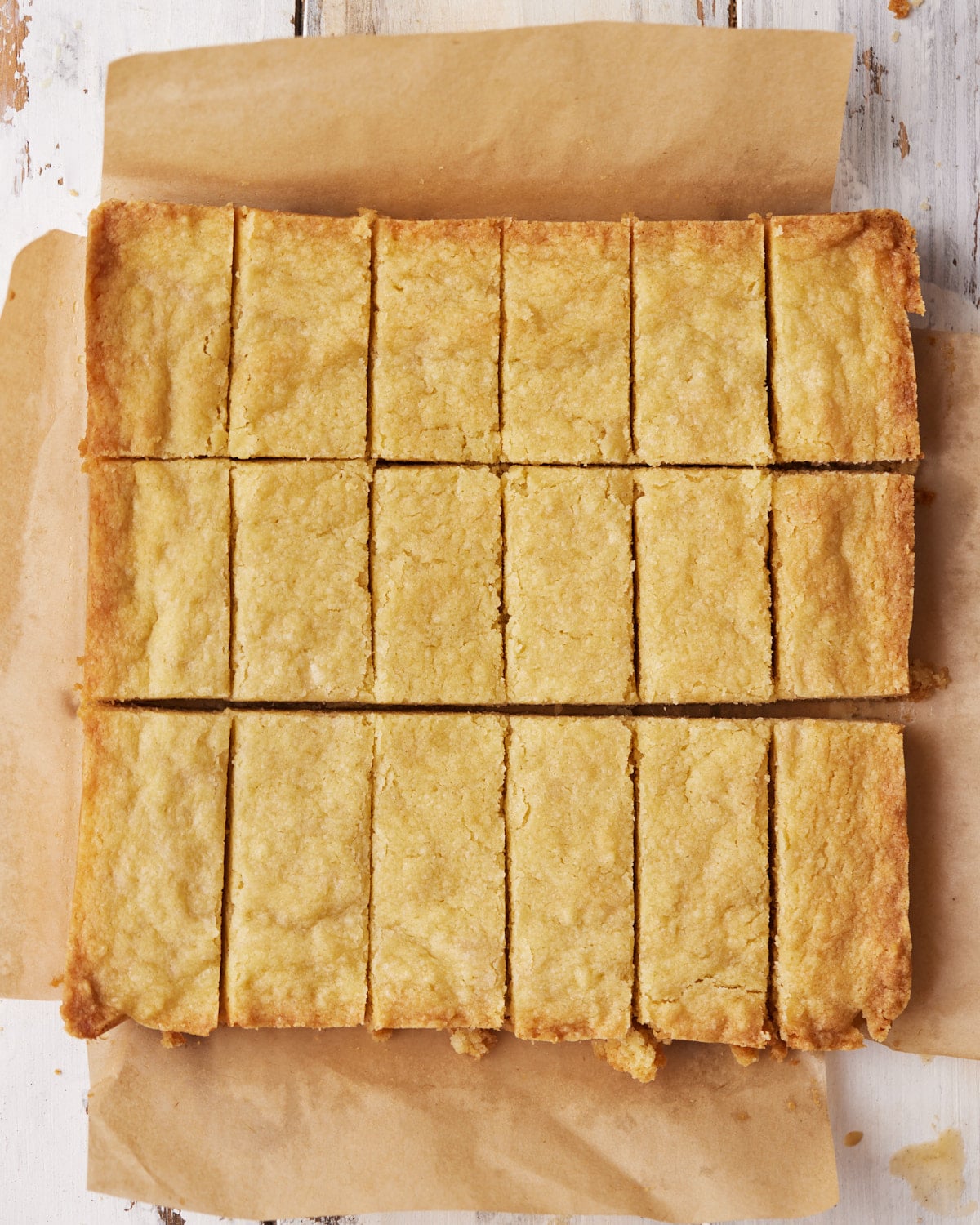
For clean slices, try to cut your shortbread while it is still slightly warm. Remove from the pan and use a long, sharp knife to cut straight down into the shortbread - make the pieces as big or small as you like!
The final (and arguably most important) step: Put the kettle on and enjoy your shortbread with a cup of tea. Any Scot will tell you that's the proper way to eat it. Mine is always Earl Grey.
Why do you prick holes in Scottish Shortbread?
One of the most recognisable features of traditional Scottish shortbread is the rows of little fork holes across the top. This process is called docking, and it isn't just decorative.
Docking the dough allows steam to escape as the butter melts in the oven, preventing the shortbread from puffing up, bubbling, or cracking.
If the holes disappear during baking, don't worry - they've already done their job. Whether they stay visible depends on how soft your butter was.
If you'd like the fork marks to stay more defined, chill the docked dough for about 30 minutes before baking.
the most important shortbread tips
If you only remember three things about making shortbread, let it be these:
- Don't cream the butter: Use softened butter and mix it with the sugar just until combined.
- Don't overmix: Once the flour is added, mix super gently, preferably with your hands, to just bring the dough together and no more.
- Use visual cues over bake time: Baking time varies so massively, so it's better to look for the visual signs that your shortbread is ready - pale with lightly golden edges.
Reader Review:
My second batch is in the oven, and I'll be taking them to a dinner tonight! These are so easy, and so so delicious - traditional is the very best, and I thank you.
⭐⭐⭐⭐⭐ - Jenn
Traditional vs Modern Scottish Shortbread
Shortbread dates back to medieval Scotland, so it's no surprise that the recipe has evolved over the centuries. Here are some of the ways that the modern variations compare with the traditional method.
Ingredients
Traditional shortbread has just 3 ingredients - butter, sugar, and flour. It has no eggs, no baking powder, and no added liquid.
You may have seen shortbread recipes before that make substitutions or add additional ingredients. These recipes aren't 'wrong'; they all still make delicious shortbread - but you came to me for a traditional recipe, so that's exactly what you'll get!
That said, it's helpful to understand what those other ingredients do and why you might want to use them to tweak the results. So here are some of the most common ones:
| Ingredient | What it does | Why I don't use it |
| Cornstarch/cornflour | Lighter, softer texture | The right method makes a tender crumb without it |
| Rice flour | Drier, crispier texture, less prone to overmixing | I prefer the soft, melty texture of traditional shortbread |
| Powdered sugar | Makes a smoother dough and softer texture as it contains cornstarch | Caster/granulated sugar gives a more traditional flavour and texture |
| Vanilla Extract | Adds extra flavour | Good butter should be the star of the show |
| Unsalted butter | Gives complete control over the salt level | I just grew up using salted butter, but either will work. |
| Eggs | More elastic dough, firmer, more cookie-like texture | Once you start adding eggs, it's more of a butter cookie than shortbread. Can be good for shortbread tart crust. |
Method
Rather than changing the ingredients, the traditional recipe relies on the method to create its classic melt-in-the-mouth texture.
The biggest difference is in how the butter is handled. Many recipes will tell you to cream the butter and sugar together, just as you would for a sugar cookie or cake batter - but creaming adds air to the dough, which gives a fluffy, cakey texture.
Using softened butter and mixing until just combined stops extra air from being incorporated. Then, gently bringing the dough together by hand prevents overmixing, which develops the gluten in the flour and makes the shortbread tough or chewy.
The method has a much bigger impact on shortbread texture than adding extra ingredients ever will.
On a personal note, making shortbread this way makes me feel connected to my roots. Before stand mixers and food processors, generations of Scottish bakers mixed shortbread by hand, feeling the dough come together as they worked. Every time I make it this way, I like to think I'm continuing that tradition.
Shape
Really, shortbread can be made in any shape. Traditionally, though, it is typically baked into 'fingers' (long, thick rectangles), wedges, slice-and-bake rounds, wedges, or sometimes in a shortbread mold.
One of the biggest myths about shortbread is that it can't be cut into shapes because it spreads too much in the oven. I have experimented with this a lot and found that the trick is in chilling the dough thoroughly before baking. I talk all about how to make shortbread hold its shape in my shortbread cookies recipe.
This means you can still use an authentic Scottish shortbread recipe to make all kinds of modern shapes and themes.
Storage
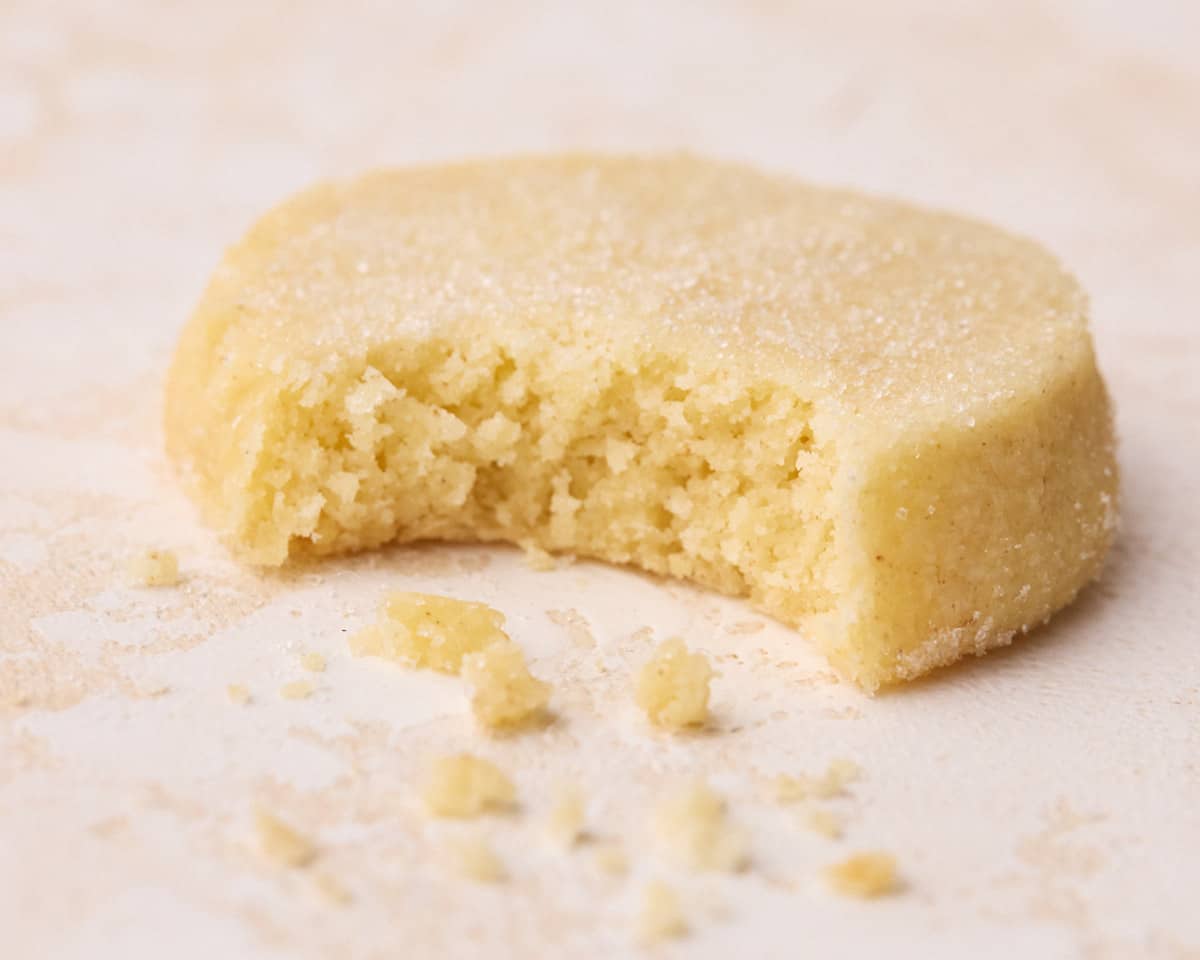
One of the best things about traditional shortbread is that it keeps beautifully. In fact, it actually tastes even better after a day or two, once the buttery flavour has had time to develop.
Store the cooled shortbread in an airtight container at room temperature for up to 4 weeks. (Though the texture is best when eaten within about 10 days).
Freezing
Wrap the baked shortbread tightly or store it in a freezer-safe container and freeze for up to 3 months. Thaw at room temperature for a few hours before serving.
Make Ahead
Shortbread is a great make-ahead bake because it stays fresh for so long. You can wrap up the unbaked shortbread dough in plastic wrap and store in the refrigerator for up to a week, or in the freezer for up to 3 months.
Show Me Your Bakes!
If you make this recipe, please tag @bonni_bakery on Instagram or send me a photo - I love seeing all your creations.
Want your bake featured on the blog? You can also upload a photo here.
More Scottish Recipes
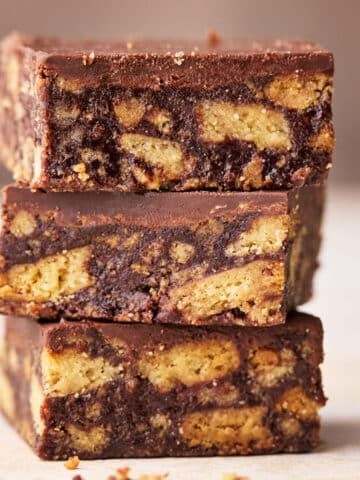
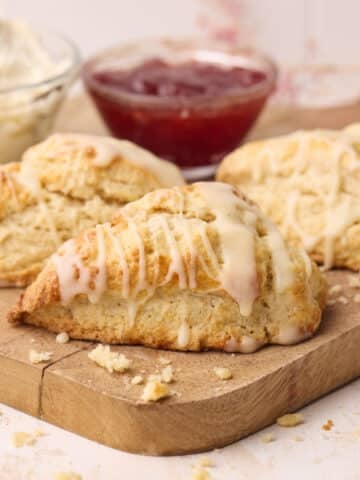
Want more of a taste of Scotland? As a Scottish lass, I've got you covered! Check out some of my favorite Scottish desserts that I enjoyed growing up:
Watch How To Make Them (Video)
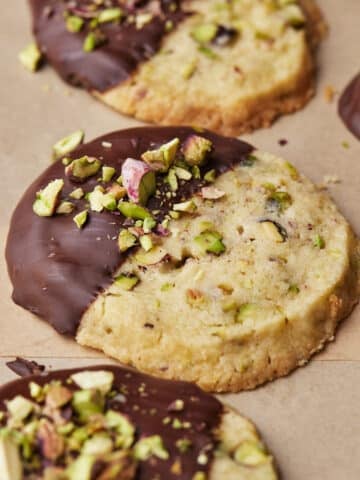
Watch me make pistachio shortbread cookies using this traditional Scottish shortbread recipe as a base in the video below:
Subscribe to

Scottish Shortbread Recipe
Ingredients
- 227 g (2 sticks) Salted Butter room temperature
- 100 g (½ cup) Granulated Sugar (Caster Sugar)
- 250 g (2 cups) All-purpose Flour (Plain Flour)
Instructions
- Preheat your oven to 320°F / 160°C (140° fan-assisted) and line an 8-inch square baking pan with parchment paper.
- Make sure the butter is completely at room temperature, then put it in a bowl and use a wooden spoon or spatula to soften it a little. Don't try to cream it, it's just to make it more pliable. You can use a stand mixer if you prefer, but be careful not to overmix.227 g (2 sticks) Salted Butter
- Add the sugar and mix it into the butter, just until well combined. It should be smooth and creamy, not pale and fluffy.100 g (½ cup) Granulated Sugar
- Sift in the flour and mix it together until the mixture starts to look crumbly. Then ditch the spoon and use your hands to squeeze it together into a smooth dough with no lumps of butter. Again, be careful not to overwork it, just go until it is incorporated.250 g (2 cups) All-purpose Flour
- Put the dough into the prepared cake pan and use your hands to smoosh it into all the corners and make it as flat and level as possible.
- Use a fork to prick holes all over the dough in straight lines. Don't push the fork all the way through the dough, you just want to go about half way.
- Bake for 25-35 minutes until the shortbread is just starting to turn golden brown at the edges, it will still be very pale on top. Baking time will vary depending on a multitude of factors, so it's best to keep an eye out for the golden brown edges rather than relying on a set bake time. Remove from the oven and let cool in the pan for about 15 minutes before removing.
- For clean slices, try to cut your shortbread while it is still slightly warm. Remove from the pan and use a long, sharp knife to cut straight down into the shortbread - make the pieces as big or small as you like!
- Important step: Enjoy with a cup of tea. Any Scot will tell you you can't have shortbread without tea!


Janet Carroll says
I've used your recipe a few times, and the shortbread is delicious 😋