
The texture of a brownie is no accident. Everything from the fat-to-flour ratio to the amount of sugar and chocolate in the batter influences whether the final result is fudgy, chewy, or cakey. This post will teach you how to tweak any recipe to get the exact brownie texture you want.
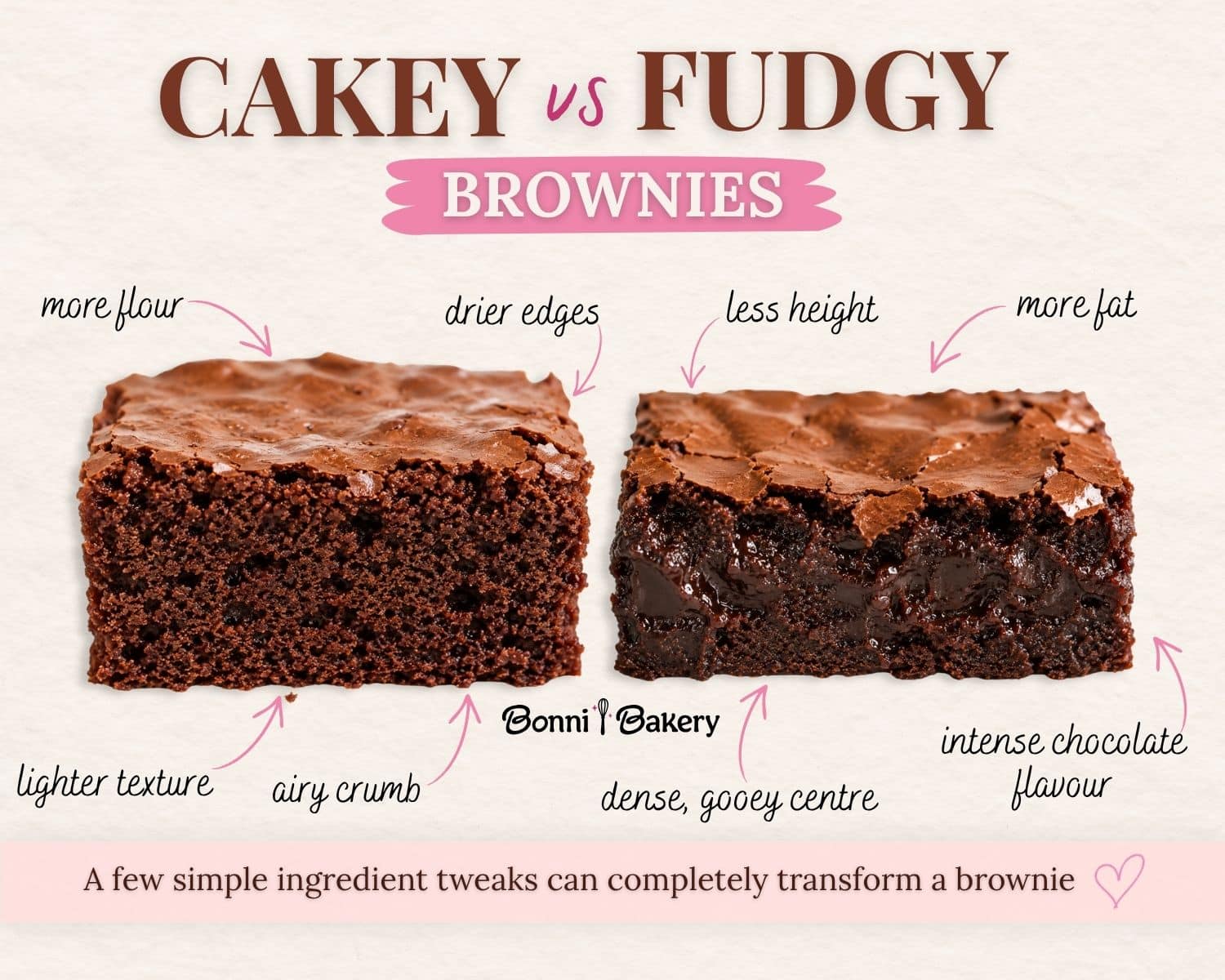
I'm firmly, unapologetically, on team fudgy. If I could eat brownie batter straight from the bowl and call it a dessert, I would. But after ten years running a bakery and making more brownies than I can count, the most common question isn't which is better, it's: "Why did mine turn out completely different than I expected?"
You followed a recipe to the letter, but your brownies came out dense when you wanted light, or cakey when you were after that rich, gooey centre. You didn't do anything wrong, but brownie texture isn't random, and it isn't luck. A handful of specific ingredient ratios and techniques determine exactly where your brownies land on the fudgy-to-cakey spectrum.
Once you understand the science behind the bake, you can adjust any recipe to make your brownie dreams come true!
quick overview
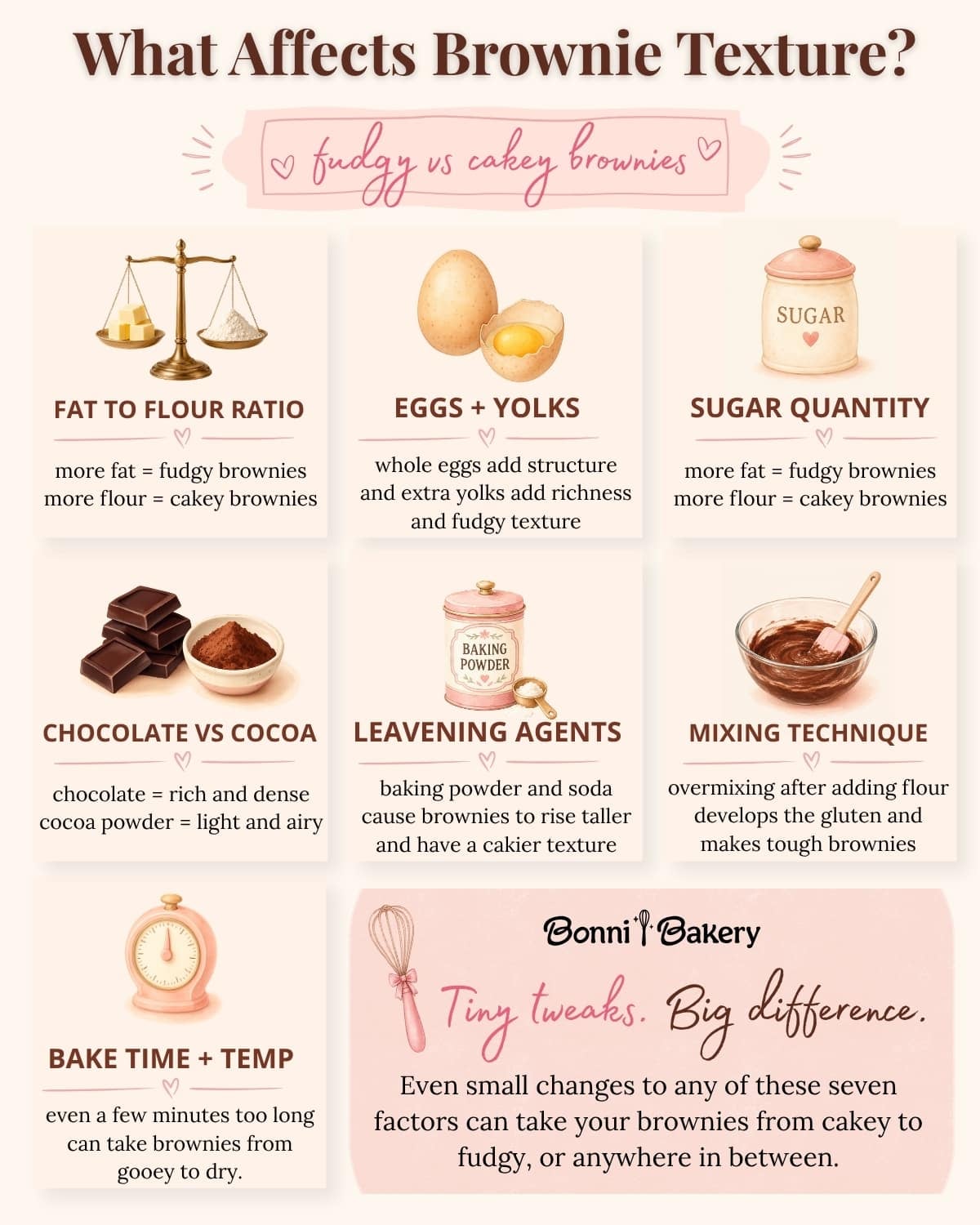
What Affects Brownie Texture?
There are many tiny tweaks that will drastically change the texture of your brownies. Here is a quick overview, and I go into detail about each one in the post.
- Fat to flour ratio - the biggest lever; more fat means fudgier
- Eggs - more yolks means richer and denser; total egg count matters too
- Chocolate vs cocoa powder - melted chocolate adds fat and sets solid; cocoa powder doesn't
- Sugar - holds moisture and adds chewiness
- Leavening agents - baking powder = rise and a cakey texture
- Mixing method - overmixing once the flour is in develops gluten
- Baking time and temperature - slightly underbake for a gooey texture
Jump to:
Fat To Flour Ratio
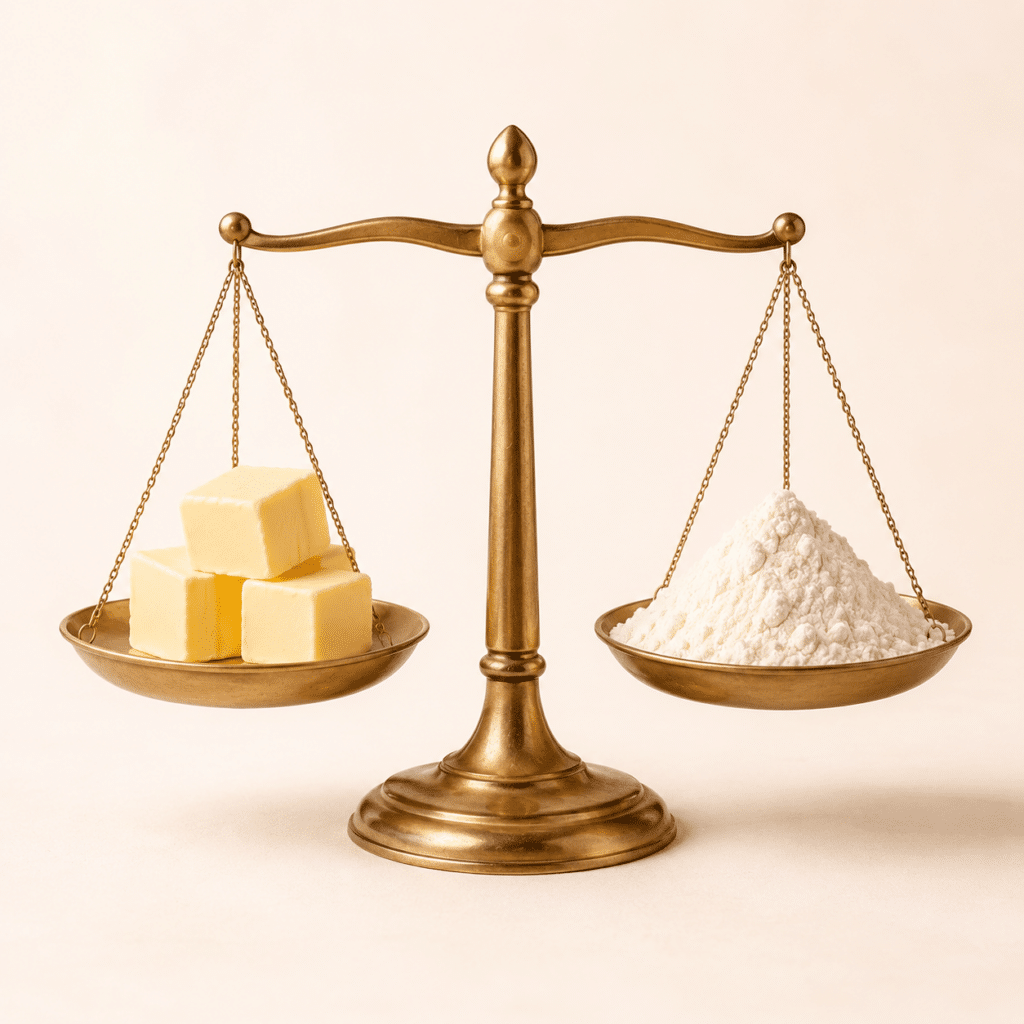
This is the single biggest factor separating fudgy brownies from cakey ones. More fat relative to flour = less gluten development = a denser crumb. Tip the balance toward flour and you get more structure, more lift, and a lighter, more open texture. Even tiny tweaks to the quantities can make a difference (which is why it's so important to weigh your ingredients with a kitchen scale).
The type of fat matters too. Butter gives unbeatable flavour but contains around 20% water, which adds a tiny amount of lift. Oil is pure fat - no water, no lift - which is why oil-based brownies tend to stay soft for longer. In the bakery, I always used butter for flavour, but added a little splash of oil to the batter to keep brownies perfectly moist for days.
Eggs + Yolks
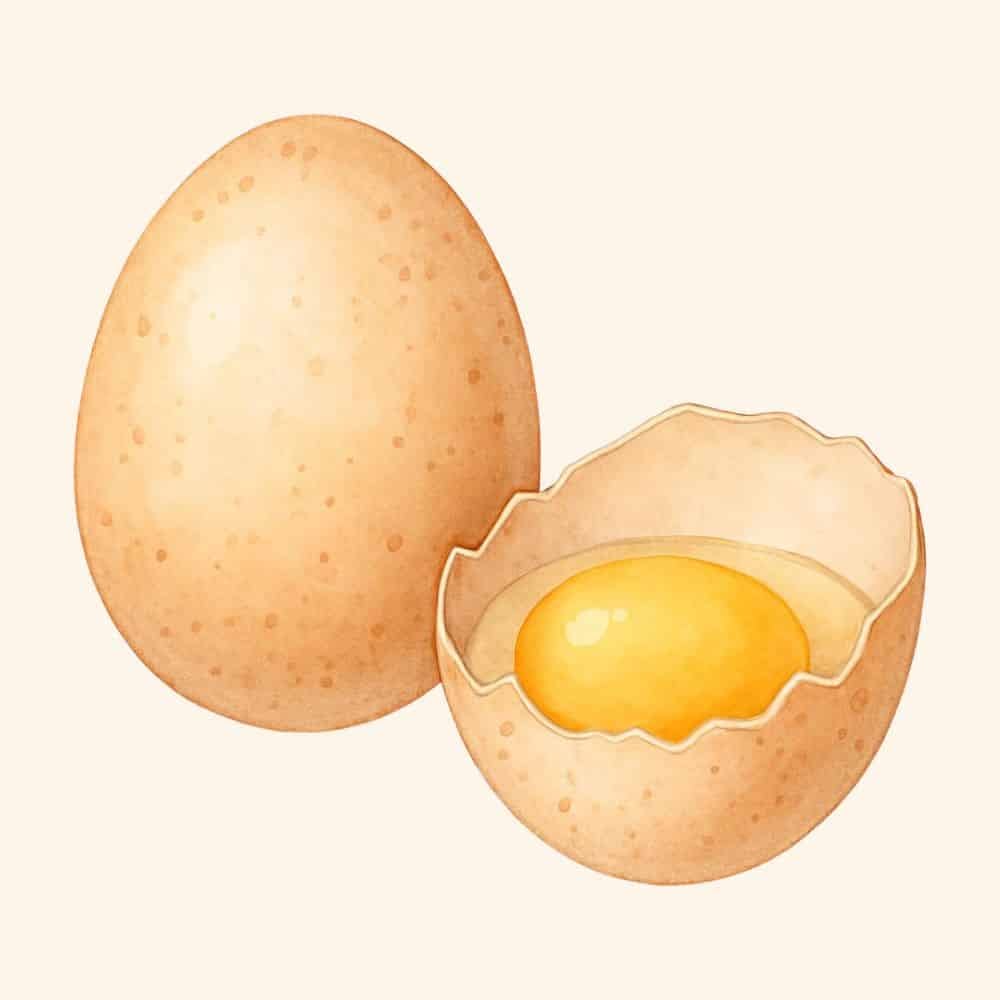
Eggs play a big role in the brownie texture. Yolks are high in fat, so they add richness and density. Whereas whites are mostly protein, which sets during baking and adds structure. More yolk = fudgier. More white = cakier. So if you want a quick way to make fudgier brownies, just add an extra yolk to your usual recipe.
Chocolate vs Cocoa Powder
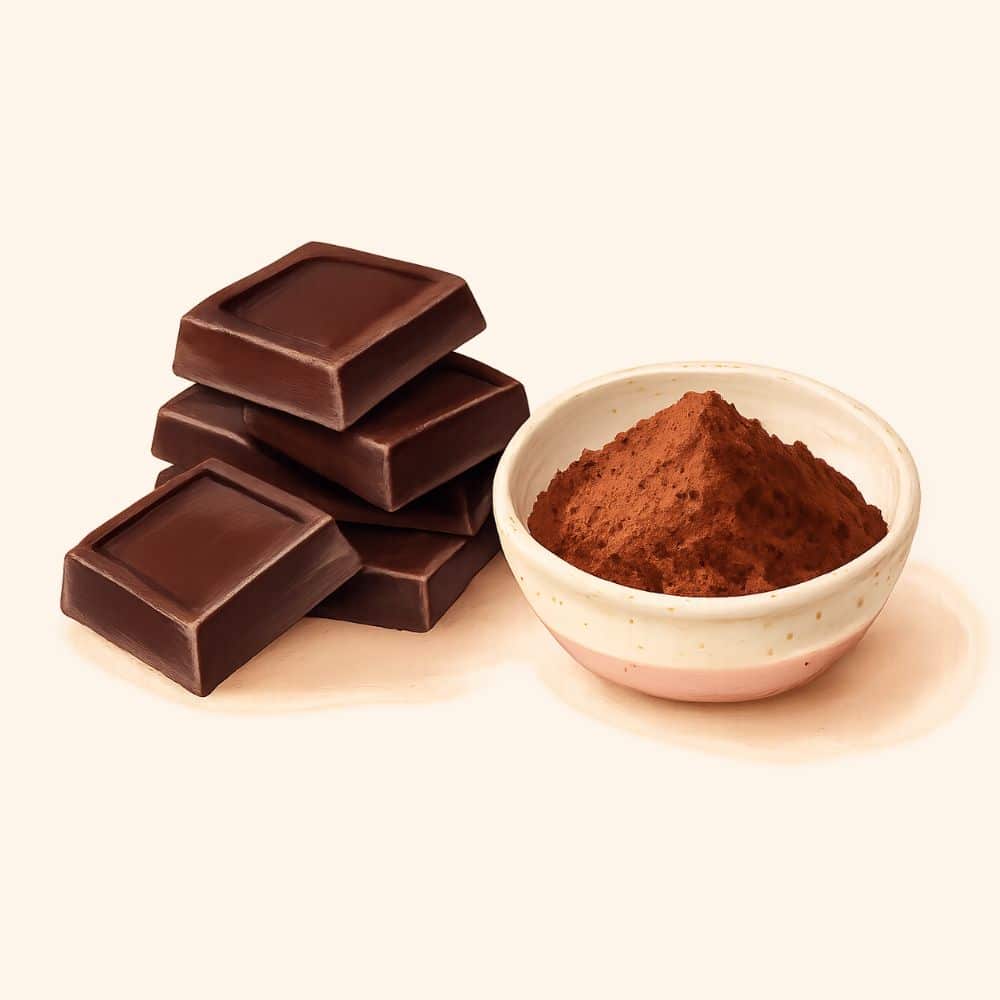
Melted chocolate and cocoa powder are not interchangeable in baking - they make completely different kinds of brownies.
Melted chocolate contains cocoa butter, which adds fat and richness to your batter. It also sets solid as it cools, which contributes to that dense, fudgy texture.
Cocoa powder adds chocolate flavour without affecting the consistency or texture; that's why cocoa-based brownies tend to be lighter and more cake-like, and chocolate-based brownies are rich and dense.
I always prefer a good quality dark chocolate in brownies over cocoa powder - the flavor difference really comes through.
Sugar
Sugar does much more than add sweetness. It attracts and holds onto moisture, which helps create a denser texture and contributes to the chewy bite that sets a great brownie apart from one that's simply gooey.
It's also the secret behind that much-coveted shiny, crackly brownie top.
The type of sugar matters too. Brown sugar contains molasses, which adds extra moisture and chewiness, while caster sugar creates a slightly lighter texture and cleaner crumb. I use caster sugar in most of my brownie recipes because it gives me the balance of texture I'm aiming for.
Leavening Agents
This one is simple: no leavening = fudgy, leavening = cakey.
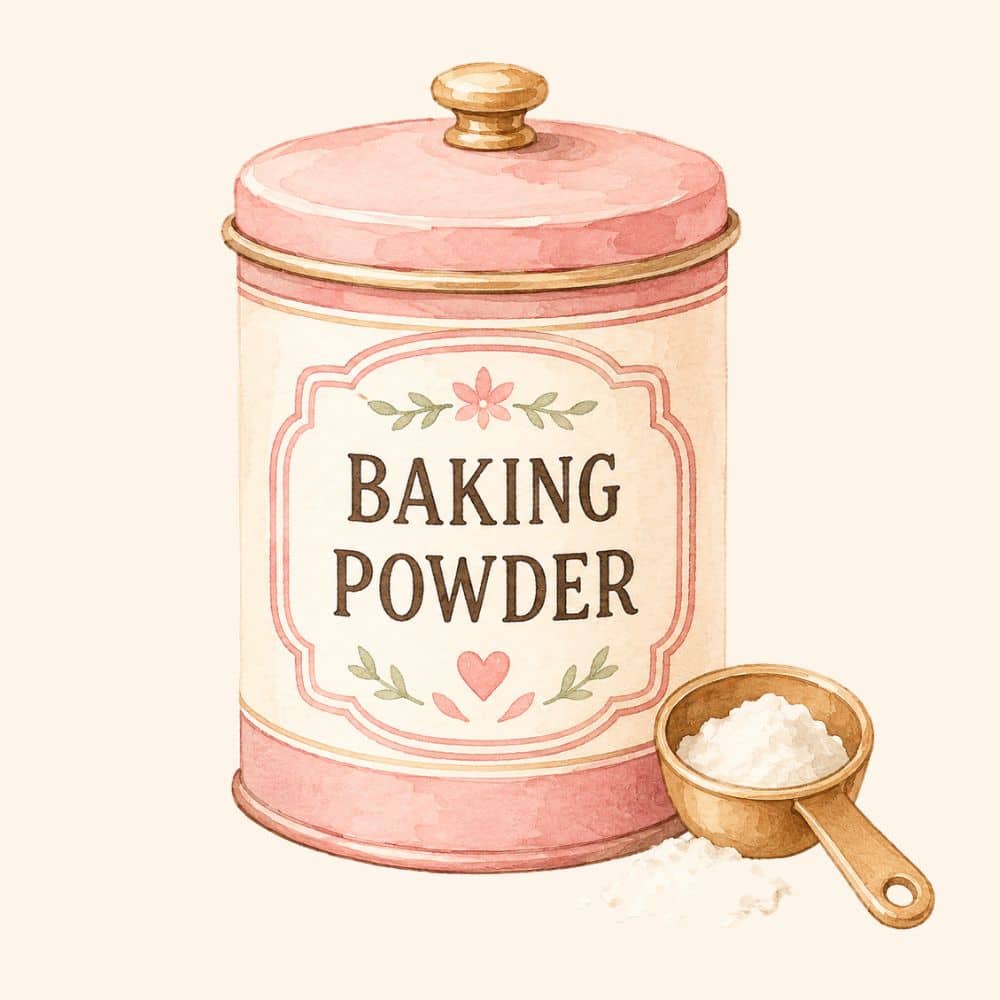
Baking powder is what makes baked goods rise. Without it, the batter stays dense and compact as it bakes. Add it, and you get aeration, lift, and a lighter, more open crumb. If you see baking powder in a brownie recipe, expect a cakey result.
My fudgy brownie recipe contains no leavening at all - any lift comes entirely from whipping the eggs and sugar (which also happens to be what creates that shiny crackly top!)
Mixing Method
Once flour is added to your batter, gluten starts developing - and the more you mix, the more structure you build. Over-mixing once the flour goes in is one of the most common brownie mistakes I see, and it's an easy one to make because it feels like you're being thorough.
For fudgy brownies, fold the flour in gently and stop the moment it disappears. That's it - you're done. For cakey brownies, a slightly more thorough mix is fine, but even then, you don't want to go overboard. Over-developed gluten makes brownies tough rather than cakey.
Baking Time and Temperature
This is where fudgy brownies might accidentally become cakey - a few extra minutes in the oven can push them from gooey to overbaked and dry.
You really have to trust the process. Fudgy brownies continue to bake when they come out of the oven, so you want to take them out when they still look a bit underdone. They should be dry on top but still have a slight wobble in the middle.
Cakey brownies, however, will bake until a skewer inserted in the middle comes out clean.
What Makes Brownies Fudgy?
- Less flour
- More fat
- Real melted chocolate
- Extra egg yolk
- No leavening agents
- Folded gently
- Slightly underbaked
What Makes Brownies Cakey?
- More flour
- Cocoa powder
- More whole eggs
- Less fat
- Baking powder
- Less sugar
- More air in batter
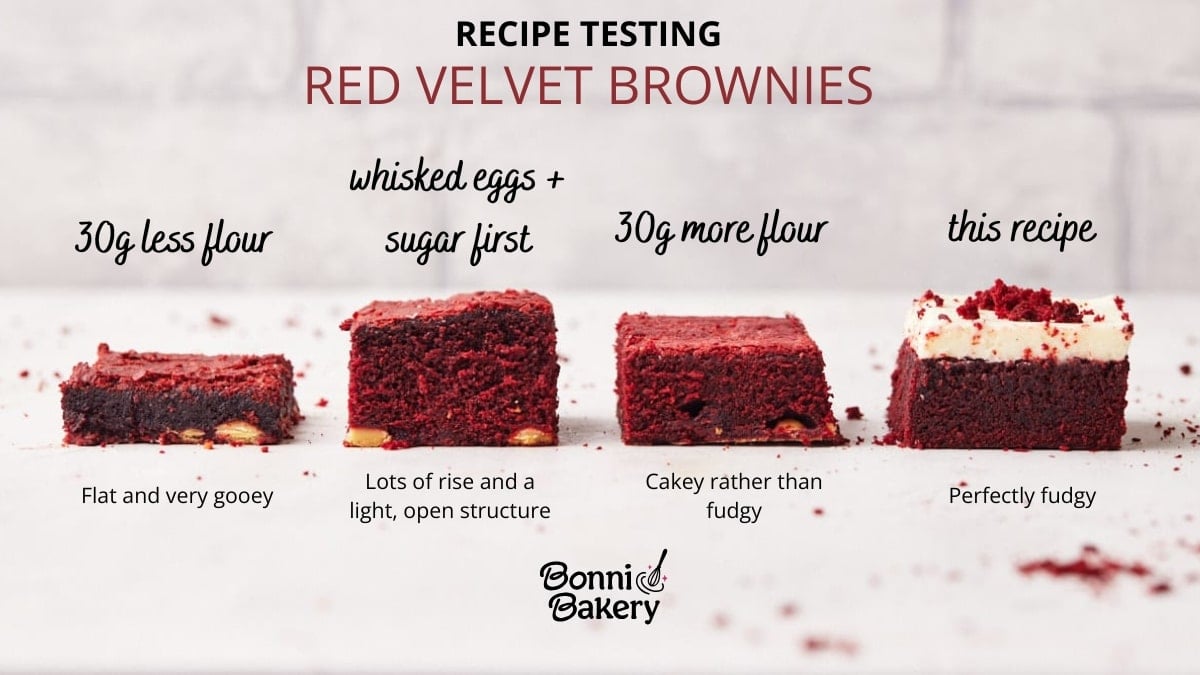
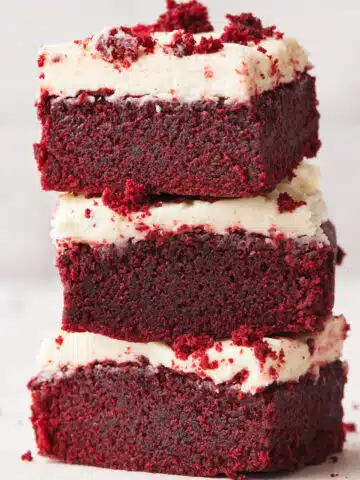
You can see several of these principles working together in my fudgy red velvet brownie recipe: it uses an extra egg yolk, no leavening, a high fat-to-flour ratio, and very gentle mixing.
Which Brownie Texture Is Best?
There isn't a single "best" brownie texture - it all comes down to personal preference. Personally, I like my brownies outrageously gooey. If there's a fine line between perfectly baked and still slightly raw in the middle, that's exactly where I want to be.
The good news is that once you understand the factors that affect brownie texture, you can create the brownie that's perfect for you.
Brownie Recipes
Try experimenting with these different techniques in any of these brownie recipes:

Hi, I'm Jules!
I'm a Scottish ex-bakery owner sharing my tried and true dessert recipes and expert tips to help you whip up impressive desserts at home.
Check out my baking blog and try a few recipes.
Or just lick the screen a little...
Happy Baking!